
The secret to fueling a high-energy child isn’t just more food; it’s mastering their unique “energy architecture” through strategic nutrient timing.
- Carbohydrate quality and timing directly impact not only physical stamina but also focus in the classroom.
- Whole foods consistently outperform processed energy bars for sustained energy, preventing the dreaded sugar crash.
Recommendation: Shift your focus from simply filling their plate to timing meals and snacks around activity to build a resilient energy foundation.
Parents of highly active kids often describe them as “bottomless pits.” You provide a seemingly huge, nutritious meal, and an hour later, they’re hungry again. The common advice is simply to feed them more, but this often leads to a frustrating cycle of energy spikes and crashes, irritability, and difficulty concentrating. This constant demand for food isn’t just about a fast metabolism; it’s a sign that their body is burning through fuel inefficiently. While it’s tempting to reach for quick-energy snacks or follow adult diet trends, these approaches can sabotage a young athlete’s potential.
The conventional wisdom focuses on calories, but it misses the bigger picture. What if the key wasn’t just *what* or *how much* you feed them, but *when*? The true breakthrough comes from understanding and managing your child’s unique energy architecture. This approach, grounded in sports nutrition, treats food as a strategic tool to build sustained energy, optimize recovery, and even sharpen focus for school. It’s about moving beyond simply filling a stomach to intentionally constructing a high-performance fueling plan.
This guide will walk you through the core principles of fueling a young, active body. We’ll dismantle dangerous diet trends, provide a clear roadmap for pre-game snacking, and explain how to choose foods that offer sustained power. By understanding the science behind their energy needs, you can transform your child’s nutrition from a daily challenge into their greatest competitive advantage.
text
This article provides a comprehensive look at building the optimal diet for your young athlete. Below is a summary of the key areas we will cover, from debunking carb myths to mastering post-practice recovery.
Summary: Fueling a Young Athlete for Peak Performance and Health
- Why low-carb trends are dangerous for a growing, active child?
- How to time a pre-game snack to avoid a sugar crash?
- Real Food or Energy Bar: Which sustains energy for 2 hours?
- The hydration mistake that causes headaches after school
- What to feed a child within 30 minutes of sports practice?
- Why swimmers dehydrate without realizing it?
- What do bathroom habits tell you about growth stalling?
- Complex Carbohydrates vs. Simple Sugars: Which Fuels School Focus?
Why low-carb trends are dangerous for a growing, active child?
In the world of adult nutrition, low-carb and ketogenic diets are often praised for weight management. However, applying these trends to a growing, active child is not just ineffective; it’s metabolically dangerous. Carbohydrates are the primary and most efficient source of fuel for a young athlete’s body and, just as importantly, their brain. The brain runs almost exclusively on glucose, which is derived from carbohydrates. Restricting this vital macronutrient can directly impact their ability to learn, focus in school, and maintain a stable mood.
When an active child doesn’t consume enough carbohydrates, their body is forced to break down protein (muscle tissue) and fat for energy. This is an inefficient process that can hinder growth, delay recovery, and compromise their immune system. Instead of building strength, their body is in a constant state of breaking itself down for fuel. This leads to persistent fatigue, poor performance, and an inability to make gains in their sport. The goal isn’t to fear carbs, but to choose the right ones. Prioritizing complex carbohydrates like whole grains, fruits, and vegetables provides the slow-release energy needed for both athletic and academic success.
A low-carb diet essentially starves a young athlete’s engine and brain of their preferred fuel source. The consequences can range from subtle moodiness and “brain fog” to more serious issues like stalled growth and increased injury risk. Recognizing the warning signs is the first step for parents to ensure their child is adequately fueled for both the field and the classroom.
Your checklist for spotting low-carb side effects
- Monitor for cognitive fog and difficulty concentrating during school hours.
- Watch for increased irritability and mood swings, especially after practices.
- Track energy levels; notice if your child seems unusually tired or sluggish.
- Observe recovery time after sports; prolonged fatigue indicates insufficient fuel.
- Check growth patterns regularly with a pediatrician to ensure proper development.
Protecting your child from these risks means embracing carbohydrates as the cornerstone of their performance diet, not treating them as an enemy.
How to time a pre-game snack to avoid a sugar crash?
The infamous “sugar crash” that leaves a young athlete sluggish and weak mid-game is almost always a timing issue. Giving a sugary snack like a candy bar or soda right before they step on the field causes a rapid spike in blood sugar, followed by an equally rapid drop. This leaves their muscles without available energy when they need it most. The key to preventing this is understanding how to time different types of foods to create a steady stream of energy, building a proper energy architecture for performance.
The further out you are from the activity, the more complex the meal can be. A full, balanced meal with complex carbs, protein, and healthy fats is ideal 3-4 hours before a game, as it gives the body ample time to digest. As you get closer to game time, the focus shifts to easily digestible carbohydrates. A snack about 60-90 minutes before activity should contain mostly complex carbs with a small amount of protein to promote sustained energy release without weighing them down. In the final 15-30 minutes, if a boost is needed, it should only be from simple, fast-acting carbs like a few dates or some apple slices, which provide immediate fuel without the fat or fiber that can cause stomach upset during play.
This tiered approach ensures that glycogen stores in the muscles are full at the start of the game and that there is readily available glucose in the bloodstream to maintain intensity. The following guide breaks down this timing strategy.
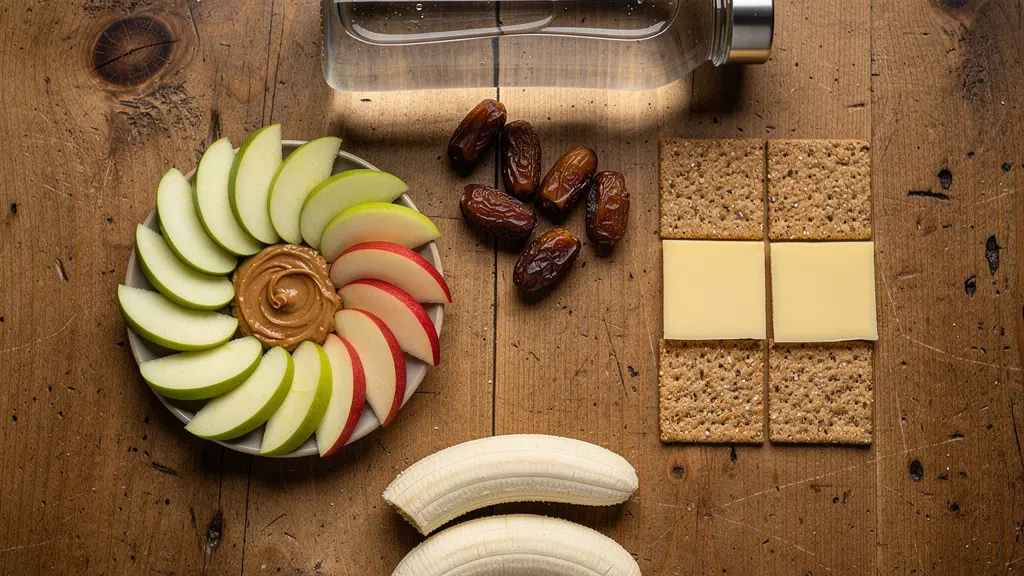
As you can see from this visual, a performance plate changes based on its proximity to game time. The table below provides specific examples for each fueling window, helping you plan effectively to keep your athlete’s energy stable and high.
| Time Before Activity | Snack Type | Examples | Macronutrient Focus |
|---|---|---|---|
| 3-4 hours | Full meal | Pasta with lean protein, vegetables | Carbs + moderate protein, low fat |
| 60-90 minutes | Balanced snack | Half whole-wheat sandwich, banana with peanut butter | Complex carbs + protein |
| 15-30 minutes | Quick energy | Few dates, apple slices, sports drink | Simple carbs only |
By synchronizing nutrition with the body’s digestive clock, you empower your child to perform at their peak from the first minute to the last, without the risk of an energy crash.
Real Food or Energy Bar: Which sustains energy for 2 hours?
The convenience of packaged energy bars is undeniable, but when it comes to sustained performance, they rarely measure up to whole foods. Most commercial energy bars, even those marketed to kids, are high in added simple sugars and lack the fiber and complex nutrient profile of real food. This leads to the same rapid energy spike and subsequent crash seen with other sugary snacks, typically leaving an athlete drained after just 60-90 minutes.
In contrast, a combination of whole foods provides a multi-stage energy release that can easily sustain a child for two hours or more. The natural sugars in a piece of fruit offer quick energy, while the fiber, protein, and healthy fats from an accompanying food like nuts or cheese slow down digestion. This gradual release maintains stable blood sugar levels, providing a consistent and reliable fuel source for working muscles. A banana with a handful of almonds, for example, delivers natural sugars, fiber, healthy fats, and protein—a synergistic combination that a processed bar cannot replicate.
Practical Comparison: Banana & Almonds vs. a Commercial Energy Bar
A practical comparison shows that a banana with a handful of almonds provides multi-stage energy release, sustaining energy for over two hours. The banana’s natural sugars offer an initial boost, while the almonds’ fiber, fat, and protein slow down sugar absorption, preventing a crash. In contrast, many commercial energy bars cause rapid glucose spikes followed by a significant drop in energy within 60-90 minutes due to high added sugar content and a lack of fiber, proving that whole food combinations maintain much steadier blood glucose levels.
While bars can have a place in an emergency, they should not be a staple in a young athlete’s diet. As leading pediatric sports dietitians emphasize, the nutritional quality of whole foods is paramount.
Parents should be mindful not to make a daily habit out of replacing whole food with packaged food. Whole foods give you nutrients, vitamins and minerals that are of higher quality than those in supplements.
– Lauren Furuta, MOE, RD and Laura Watne, MS, RD, Children’s Hospital Colorado – Pediatric Sports Dietitians
For long-lasting fuel that supports both performance and overall health, prioritizing simple, whole-food combinations is always the winning strategy.
The hydration mistake that causes headaches after school
If your child frequently complains of headaches, fatigue, or dizziness after school or sports practice, the culprit is often a simple but critical hydration mistake: waiting until they feel thirsty to drink. Thirst is a delayed signal; by the time an active child feels thirsty, they are already in a state of mild to moderate dehydration. For a young athlete, this not only impairs physical performance but also significantly affects cognitive function, leading to those all-too-common post-activity headaches and brain fog.
The solution is a proactive approach to hydration. Active children need to drink water consistently throughout the day, not just during and after sports. A crucial strategy is front-loading hydration by ensuring they drink a good amount of water (e.g., 8-10 oz) a couple of hours before activity begins. During the activity itself, they should be taking regular water breaks. According to Nemours KidsHealth guidelines, kids should drink water every 15 to 20 minutes throughout physical activity. This prevents the initial dip into a dehydrated state from ever occurring.
Parents can also teach their children to be “hydration detectives” by monitoring their own bodies. The color of their urine is one of the best indicators; pale yellow is the goal, while dark yellow is a clear sign they need to drink more. Setting reminders on a phone or watch for water breaks during the school day can also be an effective way to build consistent habits and prevent the dehydration that leads to post-school headaches.

By shifting from a reactive (drinking when thirsty) to a proactive hydration plan, you can effectively eliminate one of the most common causes of post-activity discomfort and keep your child feeling sharp and energized.
What to feed a child within 30 minutes of sports practice?
The 30-minute window immediately following intense exercise is the most critical period for nutritional recovery. During this time, a child’s muscles are like sponges, primed to absorb nutrients to repair damage and replenish depleted energy stores. Missing this optimal fueling window can lead to prolonged muscle soreness, fatigue, and poor performance in the next practice or game. The goal in this window is not a full meal, but a specific recovery snack that kicks off the rebuilding process.
The ideal recovery snack combines carbohydrates and protein in an approximate 4:1 ratio. The carbohydrates are essential for replenishing muscle glycogen—the body’s primary fuel tank for high-intensity activity. The protein provides the amino acids necessary to repair tiny muscle tears that occur during exercise, which is how muscles get stronger. Consuming this combination quickly is key, as sports nutrition research confirms that recovery foods should be consumed within 30 minutes of exercise and then followed by a full meal within 1-2 hours for maximal benefit.
This is where some simple, easily digestible options shine. You don’t need expensive, specialized recovery shakes. One of the most effective and parent-friendly recovery snacks has become a gold standard in sports nutrition for its perfect nutrient ratio and ease of consumption.
The Gold Standard: Chocolate Milk for Recovery
Research at Nationwide Children’s Hospital has shown that low-fat chocolate milk is a nearly perfect recovery drink due to its ideal 4:1 carbohydrate-to-protein ratio. The simple sugars from the chocolate and lactose quickly replenish glycogen, while the milk protein provides the necessary amino acids for muscle repair. Studies show athletes who consumed chocolate milk within 30 minutes post-exercise demonstrated significantly better muscle glycogen replenishment and reduced markers of muscle damage compared to those who only consumed water or waited longer. Other effective options with a similar ratio include Greek yogurt with a drizzle of honey or a banana paired with a stick of string cheese.
By having a simple, effective recovery snack ready to go, you ensure your child’s body immediately starts the process of getting stronger, faster, and more resilient for their next challenge.
Why swimmers dehydrate without realizing it?
It seems counterintuitive that an athlete surrounded by water could become dehydrated, but swimmers are uniquely susceptible to it. The primary reason is that the cooling effect of the water masks the body’s primary dehydration signal: sweat. Swimmers sweat just as much, if not more, than land-based athletes, especially in warmer pools. However, because the sweat is immediately washed away, they don’t have that “drenched in sweat” feeling that typically prompts a person to drink. This is known as insensible fluid loss.
Furthermore, the pool environment itself can blunt the thirst mechanism. The body doesn’t perceive itself as hot and “overheating” in the same way it does when running on a field under the sun. This psychological trick means a young swimmer is less likely to feel thirsty, even when their body is losing significant amounts of fluid and electrolytes. This silent dehydration can quickly lead to muscle cramps, fatigue, and a sharp decline in performance during a long practice or meet.
Parents and coaches of swimmers need to be especially vigilant about enforcing a hydration protocol. A water bottle should be kept at the edge of the pool, and swimmers should be encouraged to take sips between sets, even if they don’t feel thirsty. For practices lasting over an hour, a sports drink containing electrolytes is recommended to replace the salts lost through sweat. A highly effective (though more advanced) technique for tracking fluid loss is to weigh the athlete before and after practice. For every pound of weight lost during the session, they should aim to replenish with approximately 16 ounces of fluid to restore proper hydration balance.
For swimmers, a structured drinking schedule is not just helpful—it’s a critical component of their training regimen to prevent performance-killing dehydration.
What do bathroom habits tell you about growth stalling?
While it might be an uncomfortable topic, a child’s bathroom habits are one of the most direct and honest indicators of their nutritional status and digestive health. Changes in frequency, consistency, or color can be early warning signs that something is amiss with their diet, potentially impacting nutrient absorption and, by extension, their growth and development. For parents of active children, paying attention to these signals can provide valuable clues that their high-energy diet may need adjustments.
Consistent patterns of constipation, for example, often point to a lack of fiber and insufficient hydration—two cornerstones of a healthy diet. This suggests a need to increase intake of whole grains, fruits, and vegetables, along with more water throughout the day. Conversely, frequent diarrhea could indicate a food intolerance or poor absorption of certain nutrients. In some cases, seeing undigested food in the stool might simply mean your child is eating too fast and not chewing properly, but it can also signal more complex digestive issues. The goal is not to become obsessive but to recognize what’s normal for your child and notice when there’s a significant, lasting change from that baseline.
These observations are not a diagnosis, but rather important data points to consider. They can help guide dietary adjustments or signal when it’s time to consult with a pediatrician or registered dietitian. The following table from the Mayo Clinic provides a helpful guide to interpreting these common signs and suggests potential nutritional actions.
| Observation | Potential Cause | Nutritional Action |
|---|---|---|
| Chronic constipation | Low fiber, dehydration | Increase whole grains, fruits, water intake |
| Frequent diarrhea | Poor absorption, food intolerance | Consider elimination diet, add probiotics |
| Greasy, floating stools | Fat malabsorption | Check with doctor, may need enzyme support |
| Dark, concentrated urine | Dehydration | Increase water intake throughout day |
| Undigested food visible | Poor chewing, fast eating | Encourage mindful eating, smaller bites |
By learning to read these bodily cues, parents can play a more proactive role in ensuring their young athlete is not just eating enough, but is also effectively absorbing the nutrients required for optimal growth and energy.
Key Takeaways
- Nutrient timing is more critical than calorie counting for sustained energy and preventing crashes.
- Whole foods consistently beat processed bars for long-lasting fuel due to their complex nutrient profile.
- Proactive hydration, especially before activity, is essential to prevent performance-killing dehydration and headaches.
- The 30-minute post-practice window is the single most important time to kickstart muscle recovery with a 4:1 carb-to-protein snack.
Complex Carbohydrates vs. Simple Sugars: Which Fuels School Focus?
The distinction between complex carbohydrates and simple sugars is the most important concept for fueling a young athlete, not just for their sport, but for their academic life. While all carbs break down into glucose, the speed at which this happens determines whether they provide sustained energy or a brief, chaotic spike. This directly impacts their ability to concentrate in the classroom. Simple sugars—found in candy, soda, and many processed snacks—are digested almost instantly, flooding the bloodstream with glucose. This causes a short-lived energy high, followed by a sharp crash that leaves a child feeling tired, irritable, and unable to focus.
Complex carbohydrates—found in oatmeal, whole-grain bread, brown rice, and vegetables—are structured differently. Their long-chain molecules and fiber content require the body to work harder and longer to break them down. This results in a slow, steady release of glucose into the bloodstream, providing a reliable source of cognitive fuel for hours. For a young athlete who needs to perform both on the field and in the classroom, a diet rich in complex carbohydrates is non-negotiable. An ideal diet for a young athlete, according to sports nutrition research, should consist of 45-65% carbohydrates, with the vast majority coming from these complex sources.
Study: The Breakfast Effect on Academic Performance
Research from Children’s Health highlights this effect perfectly. In a study, students who ate a breakfast rich in complex carbohydrates (like oatmeal with nuts and fruit) maintained significantly better focus and achieved higher test scores throughout the morning. Their blood glucose levels remained stable for 3-4 hours. In contrast, students who ate a breakfast of simple sugars (like a sugary cereal) experienced a notable drop in both their blood glucose and their attention spans within 90 minutes of the meal. This demonstrates a direct link between carbohydrate quality and the ability to learn.
This doesn’t mean simple sugars are always bad. A small amount can be useful for a quick energy boost right before a short, intense event or to kickstart recovery immediately after. However, the foundation of a high-performance diet must be built on the steady, reliable power of complex carbs.
By strategically choosing complex carbohydrates for meals and primary snacks, you are directly investing in your child’s ability to stay focused, learn effectively, and perform at their best all day long.