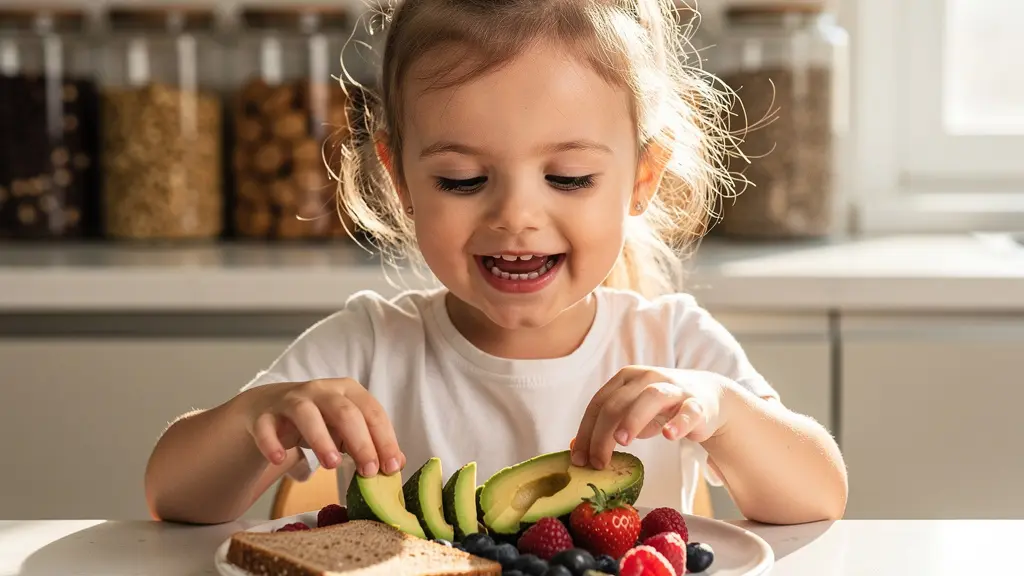
The secret to boosting your child’s brain health isn’t just hiding healthy fats in their food—it’s mastering the kitchen science to ensure those fats are absorbed and effective.
- Most plant-based omega-3s (like flax) don’t efficiently convert into the crucial brain-building fats your child needs.
- Common cooking mistakes, especially using high heat with the wrong oils, can destroy the very benefits you’re trying to add.
Recommendation: Focus on direct, bioavailable sources of omega-3s and use low-heat or no-heat methods to add delicate oils to meals right before serving.
If you’ve ever proudly served a salmon fillet, rich in brain-boosting omega-3s, only to have your child declare it “yucky,” you’re not alone. The frustration is real. You know essential fatty acids are critical for their developing minds, but the primary source—fatty fish—is a non-starter for countless picky eaters. The common advice is to simply “hide it” in their food, blending avocado into smoothies or sprinkling seeds over yogurt.
But this well-intentioned advice often misses the crucial details. It’s not just about getting the fat *in*, it’s about ensuring its nutritional integrity is preserved and that your child’s body can actually use it. Adding flaxseed oil to a hot pan or serving raw carrots without a fat source are common mistakes that render your efforts, and expensive ingredients, virtually useless. The challenge isn’t just deception; it’s effective, science-backed stealth nutrition.
This guide moves beyond the simple “hacks.” We’ll explore the culinary science of essential fats. We’ll uncover why a low-fat approach can be detrimental, how to prepare popular seeds without risks, and the cooking errors that negate the benefits of premium oils. By understanding the ‘why’ behind the ‘how’, you can become a savvy kitchen strategist, ensuring your child gets the vital nutrients they need for optimal cognitive function, even without a single bite of fish.
This article provides a complete roadmap for parents, covering the science, safety, and practical kitchen strategies to successfully incorporate essential fats. Explore the sections below to become an expert in stealth nutrition.
Table of Contents: A Parent’s Guide to Omega-3 for Picky Eaters
- Why low-fat diets are detrimental to a 3-year-old’s cognition?
- How to serve chia and flax seeds without a choking hazard?
- Avocado or Olive Oil: Which is easier to hide in a smoothie?
- The cooking mistake that destroys the benefits of expensive oils
- What does dry skin and “chicken skin” on arms indicate?
- Why raw carrots alone won’t give them enough Vitamin A?
- Local Conventional or Supermarket Organic: Which is nutrient-superior?
- Omega-3 Fats Supplements vs. Whole Foods: What Pediatricians Recommend?
Why low-fat diets are detrimental to a 3-year-old’s cognition?
The low-fat craze of past decades has left a persistent and dangerous myth: that fat is the enemy. For a toddler, this couldn’t be further from the truth. A child’s brain undergoes explosive growth, doubling in size in the first year and reaching about 80% of its adult volume by age three. This incredible construction project requires a massive amount of raw materials, and the most important one is fat.
In fact, the brain is nearly 60% fat. This lipid content is essential for building the myelin sheath, a fatty coating that insulates nerve cells and allows for rapid-fire communication between neurons. Think of it as the rubber coating on an electrical wire; without it, signals are slow and inefficient. For a young child, this process of myelination is directly linked to cognitive milestones, from learning to walk and talk to developing processing speed and executive function. Research underscores this, showing that during early childhood, it’s ideal for a child to get up to 50% of their total calories from fat to fuel this critical brain-building.
Depriving a young child of adequate dietary fat can have significant consequences. It starves the brain of its primary building block, potentially slowing cognitive development. A compelling study highlighted how infants receiving formula supplemented with milk fat globule membrane (MFGM), a complex lipid source, showed improved myelination trends and enhanced cognitive abilities compared to those without. This demonstrates a direct link between the right kinds of fat and a well-developed brain. Therefore, embracing healthy fats like those from avocado, quality oils, and nuts isn’t just about calories; it’s about directly investing in your child’s intellectual future.
How to serve chia and flax seeds without a choking hazard?
Chia and flax seeds are nutritional powerhouses, often touted as easy ways to add omega-3s to a child’s diet. However, serving them requires more care than simply sprinkling them on food. The primary concerns are choking risk and nutrient bioavailability. Whole, dry seeds can be a choking hazard for young children, and their hard outer shells prevent the body from accessing the oils within. Furthermore, while these seeds are rich in the omega-3 fat ALA, the body’s ability to convert it to the crucial brain-building DHA is remarkably poor. Research from Nordic Naturals shows this conversion rate can be as low as 0.5% to 5%.
To safely unlock their benefits, proper preparation is key. Never serve dry, whole seeds to children under 3. The safest and most effective method is to use them ground or soaked. Ground flaxseed (or flax meal) can be easily stirred into yogurt, oatmeal, or applesauce, making the fats accessible. For chia seeds, soaking is the best approach. When mixed with liquid, they form a gel-like substance that is easy to swallow and digest.
Here’s a practical guide based on age:
- 1-2 years: Always use ground or soaked forms. Create a “chia gel” by soaking one tablespoon of seeds in three tablespoons of water or milk for about 10-15 minutes until it thickens. You can also mix a small amount (up to 1 teaspoon) of ground flaxseed into purees or yogurt.
- 2-3 years: You can start incorporating coarsely ground seeds into baked goods like muffins or pancakes. A great trick is to use chia or flax gel as an egg substitute (1 tbsp ground seeds + 3 tbsp water = 1 egg), which adds fats and binders simultaneously.
- 3+ years: Once the child is a proficient chewer and swallower, you can introduce whole soaked seeds, for instance in a chia seed pudding. Always ensure the seeds have been soaked for at least 20 minutes to become fully gelatinous and always supervise your child while eating.
Avocado or Olive Oil: Which is easier to hide in a smoothie?
The smoothie is the ultimate Trojan horse for picky eaters. It’s a brilliant vehicle for sneaking in nutrients, but a single off-note in taste, texture, or color can lead to instant rejection. When it comes to adding healthy fats, parents often reach for avocado or olive oil. But which one is truly the master of disguise? The answer depends on what your child is most sensitive to.
This paragraph introduces a complex concept. To better understand it, it’s helpful to visualize its main components. The illustration below breaks down this process.
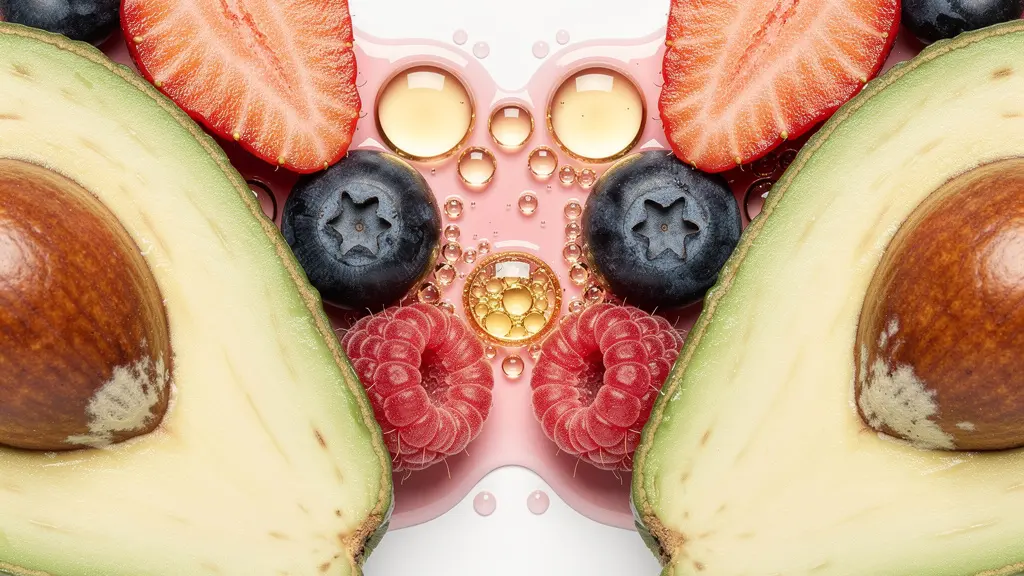
As this image shows, each element plays a crucial role. Avocado provides a thick, creamy texture that many kids enjoy, but it inevitably turns the smoothie green. If your child has a “no green things” policy, avocado is a high-risk ingredient. Extra virgin olive oil (EVOO), on the other hand, has a minimal impact on color. However, many high-quality EVOOs have a distinct peppery or bitter flavor that can be easily detected by a sensitive palate, even in small amounts. Using more than half a teaspoon can be a giveaway.
A comparative analysis shows the trade-offs, and introduces a third, superior option for stealth nutrition: algae oil. While avocado and olive oil contain the less-useful ALA form of omega-3, algae oil provides DHA directly, the same type found in fish, but with a completely neutral taste and no impact on color or texture. A tiny amount is all that’s needed.
| Property | Avocado | Extra Virgin Olive Oil | Algae Oil |
|---|---|---|---|
| Taste Impact | Mild, creamy | Can be peppery/bitter | Neutral |
| Texture Change | Makes smoothie thicker | No change if blended well | No change |
| Color Impact | Turns smoothie green | Minimal | None |
| Detection Risk (1-10) | 6/10 | 7/10 | 3/10 |
| Omega-3 Content | Low ALA only | Low ALA only | High DHA directly |
| Recommended Amount | 1/4 avocado | 1/2 teaspoon | 1/4 teaspoon |
While avocado and olive oil are healthy fats, for a truly undetectable and more potent omega-3 boost in a smoothie, a high-quality, flavorless algae oil is the clear winner for the most discerning of picky eaters.
The cooking mistake that destroys the benefits of expensive oils
You’ve invested in a high-quality, cold-pressed flaxseed or walnut oil, rich in delicate omega-3 fatty acids. You decide to stir-fry some vegetables with it, thinking you’re adding a healthy boost. Unfortunately, you may have just nullified all of its benefits. The single biggest mistake when using expensive, nutrient-rich oils is exposing them to high heat. Polyunsaturated fats, including most omega-3s, are chemically fragile. Heat, light, and oxygen cause them to oxidize, not only destroying their health benefits but potentially creating harmful compounds.
The process of brain myelination is critically dependent on the intake of these long-chain polyunsaturated fatty acids (LC-PUFAs). Research confirms that high-heat cooking methods can damage these vital fats, compromising the very nutrients you’re trying to provide for your child’s cognitive development. This is why understanding an oil’s “smoke point”—the temperature at which it begins to break down and smoke—is essential for preserving nutrient integrity.
Oils with low smoke points, like flax, walnut, and even extra virgin olive oil, should never be used for high-heat cooking like roasting or frying. Their benefits are best preserved when used in no-heat applications. Instead, reserve stable, high-smoke-point fats like avocado oil (smoke point 520°F) or ghee for high-temperature cooking. The delicate, expensive oils should be treated as finishing oils—drizzled over slightly cooled pasta, vegetables, or soups just before serving. This simple shift in technique ensures that you’re not just adding flavor, but preserving the full nutritional power of the fats you’re paying for.
Your 5-Step Pantry Audit for Healthy Oils
- Identify Use Cases: List all the ways you use oil in your kitchen (e.g., roasting, light sautéing, salad dressing, drizzling).
- Inventory Your Oils: Collect all your cooking oils. Identify which are for high heat (avocado, ghee), medium heat (regular olive oil), and no-heat (flax, walnut, high-quality EVOO).
- Check for Coherence: Are you using delicate, expensive oils for high-heat cooking? Find any mismatches between the oil’s smoke point and its current use. For example, using flaxseed oil for frying is a major red flag.
- Assess Storage: Are your delicate oils stored in dark glass bottles away from the stove and sunlight? Oils exposed to heat and light will degrade faster. Identify any that need to be moved.
- Create an Action Plan: Based on your audit, create a plan. Move oils to proper storage. Dedicate a specific, stable oil for high-heat cooking and reserve the delicate, expensive oils for finishing dishes to maximize their health benefits.
What does dry skin and “chicken skin” on arms indicate?
Sometimes, the most telling signs of a child’s nutritional status are written on their skin. Persistent dry skin, eczema flare-ups, or the appearance of small, rough bumps often called “chicken skin” can be external indicators of an internal need. This condition, known medically as keratosis pilaris, commonly appears on the upper arms, thighs, or cheeks and is often linked to deficiencies in essential fatty acids and vitamin A.
This connection makes perfect sense from a biological standpoint. Essential fatty acids, particularly omega-3s, are integral components of our skin’s cell membranes. They help maintain the skin’s barrier function, keeping moisture in and irritants out. When intake is insufficient, this barrier can become compromised, leading to dryness and increased inflammation. This is particularly relevant as many American children consume significantly less EPA and DHA than recommended levels.
Furthermore, keratosis pilaris is caused by a buildup of keratin—a protein that protects the skin—which forms plugs in hair follicles. The absorption of Vitamin A, a fat-soluble vitamin crucial for regulating skin cell turnover, is dependent on the presence of dietary fat. A diet low in essential fats can therefore create a double-whammy: it directly weakens the skin barrier and simultaneously hinders the absorption of a key vitamin needed to prevent the follicular plugging that causes those tell-tale bumps.
While not a dangerous condition, the appearance of keratosis pilaris should be seen as a helpful clue from the body. It’s a signal to evaluate your child’s intake of healthy fats and fat-soluble vitamins. If you notice these signs, it’s an excellent reason to bring your specific observations to your pediatrician to discuss whether dietary adjustments or supplementation could be beneficial.
Why raw carrots alone won’t give them enough Vitamin A?
Serving your child a bag of baby carrots seems like a clear parenting win. Carrots are packed with beta-carotene, a precursor to Vitamin A, which is essential for vision, immune function, and skin health. However, there’s a catch that many parents miss: Vitamin A is a fat-soluble vitamin. This means the body cannot absorb it properly without dietary fat being present in the same meal.
Think of fat as the transport vehicle for Vitamin A. Without it, the precious beta-carotene from those carrots passes through the digestive system largely unabsorbed, its benefits lost. This principle is a cornerstone of nutrition, as nutrition research confirms that fat-soluble vitamins require dietary fat for absorption. This applies not only to Vitamin A but also to Vitamins D, E, and K, all of which are critical for a growing child.
This is where “fat-soluble synergy” comes into play in your kitchen. Instead of serving raw carrots or steamed sweet potatoes plain, you can dramatically increase their nutritional value by pairing them with a healthy fat. This doesn’t need to be complicated. The simple act of serving carrot sticks with a dip transforms the snack from a source of fiber into a true nutrient-delivery system.
Here are some simple, kid-friendly pairings to maximize beta-carotene absorption:
- Serve raw carrots with a full-fat dip like hummus (which contains tahini and olive oil), guacamole, or peanut/almond butter.
- Roast carrots, sweet potatoes, or squash in a stable, healthy fat like avocado oil or ghee. The heat also helps break down cell walls, making the beta-carotene even more accessible.
- Shred carrots into a tuna or egg salad made with mayonnaise (which is an emulsion of oil and egg).
- Finish a bowl of carrot or butternut squash soup with a drizzle of heavy cream or olive oil just before serving.
Key Takeaways
- A toddler’s brain is nearly 60% fat; low-fat diets can starve it of essential building blocks for cognition.
- Plant-based omega-3s (ALA) from sources like flax are very poorly converted to the crucial brain-building fat DHA.
- High heat destroys the delicate structure of most omega-3s; use oils like flax or walnut as finishing oils, not for cooking.
Local Conventional or Supermarket Organic: Which is nutrient-superior?
In the quest for the most nutritious food, parents are often faced with a confusing choice in the produce aisle: should you buy the certified organic produce from a large supermarket, or the conventionally grown produce from the local farm stand? While the “organic” label provides assurances about the absence of certain pesticides and synthetic fertilizers, it doesn’t always tell the whole story about nutrient content, especially when it comes to essential fatty acids.
For nutrients like omega-3s, the animal’s diet and living conditions can be far more important than the organic certification alone. This is a perfect example of where understanding the “why” behind the label matters. An animal raised on its natural diet will produce meat, milk, and eggs with a healthier fatty acid profile. For example, chickens that are pasture-raised and free to roam and eat grasses, seeds, and insects will produce eggs with a significantly higher omega-3 content than their caged, grain-fed counterparts—even if those grains are organic.
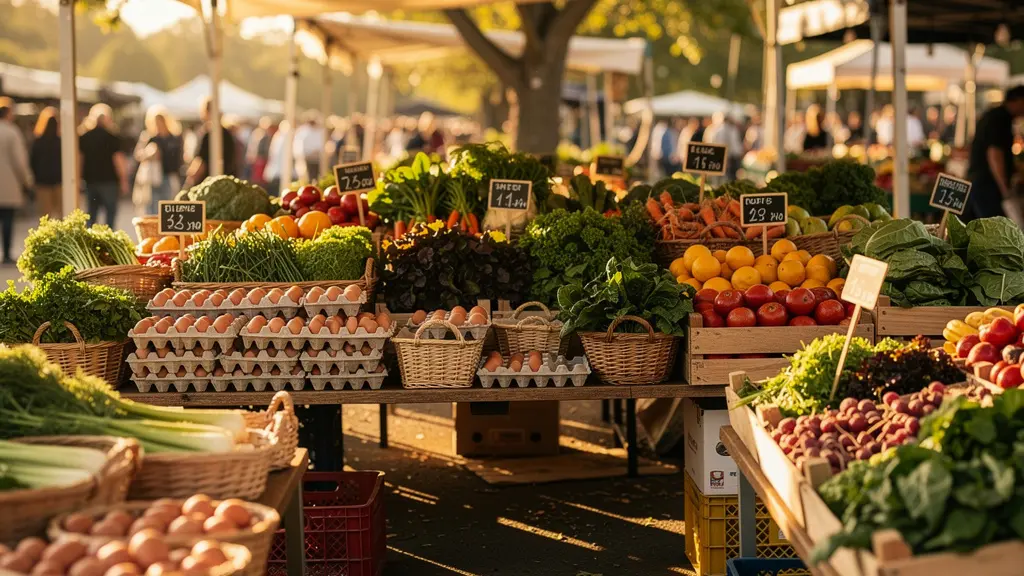
The same principle applies to dairy and meat. As the Academy of Nutrition and Dietetics points out, grass-fed animals tend to have a higher amount of omega-3 fatty acids in their milk and meat. This means that for sourcing foods rich in essential fats, the farming *method* (pasture-raised, grass-fed) is often a more important indicator of nutritional superiority than the organic label itself. A conventional, locally-raised egg from a chicken that foraged for its food may well be superior in its omega-3 content to a mass-produced organic egg from a factory farm.
This is where getting to know your local producers can be a huge advantage. By talking to farmers at a local market, you can learn directly about their farming practices and an animal’s diet. Often, this provides more meaningful information about the food’s nutritional quality than any label in a supermarket could.
Omega-3 Fats Supplements vs. Whole Foods: What Pediatricians Recommend?
The “food first” approach is always the ideal in nutrition. However, when faced with a child who resolutely refuses fish and the inefficient conversion of plant-based fats, many parents and pediatricians turn to supplements as a pragmatic and effective solution. The argument for supplementation is rooted in the biological reality of omega-3 conversion.
As the Nordic Naturals Research Team highlights, “The body’s conversion of ALA to the crucial brain-building DHA is notoriously inefficient, often less than 1% in some studies.” This “conversion inefficiency” is the central problem. Relying solely on foods like flax and walnuts for DHA is like trying to fill a swimming pool with a leaky eyedropper. A high-quality supplement bypasses this inefficient process, delivering a direct, bioavailable dose of EPA and DHA that the brain and body can use immediately.
When choosing this route, quality and safety are paramount. Not all fish oil supplements are created equal. A pediatrician will recommend choosing a product specifically formulated for children, from a reputable brand that can provide third-party verification of its purity and potency. This ensures the product is free from heavy metals like mercury and provides an accurate dose.
If you and your pediatrician decide a supplement is the right choice, here are the key factors to consider:
- Third-Party Testing: Look for a seal from NSF, USP, or IFOS, which certifies the product’s purity and that it meets its label claims.
- Form: The triglyceride (TG) form is more natural and better absorbed by the body than the ethyl ester (EE) form.
- Dosing: Age-appropriate dosing is crucial. A general guideline is 100-1500mg of combined EPA+DHA for ages 1-8. Always consult your pediatrician for a specific recommendation.
- Source: For vegetarian or vegan families, algae oil supplements are an excellent choice as they provide DHA directly from a plant-based source.
- Taste and Delivery: Many children’s supplements come in flavored liquids, chewable gummies, or small capsules to improve compliance. You may need to experiment to find one your child accepts.
Ultimately, a high-quality supplement can be a reliable and stress-free insurance policy, ensuring your child receives the critical brain-building fats they need while you continue to offer a wide variety of healthy whole foods.
Frequently Asked Questions about Getting Essential Fatty Acids Into Kids
What is keratosis pilaris and how is it related to nutrition?
Keratosis pilaris appears as small, rough bumps on the upper arms, thighs, or cheeks. It’s often linked to deficiencies in essential fatty acids and vitamin A, both requiring dietary fat for absorption.
Can omega-3 supplements improve my child’s dry skin?
Yes, omega-3 fatty acids help maintain the skin barrier and reduce inflammation. Studies show improvements in eczema and dry skin conditions with adequate omega-3 intake.
Should I discuss my child’s skin condition with their pediatrician?
Yes, skin conditions can be external indicators of nutritional needs. Bring specific observations like keratosis pilaris to your pediatrician to discuss potential omega-3 or vitamin A supplementation.