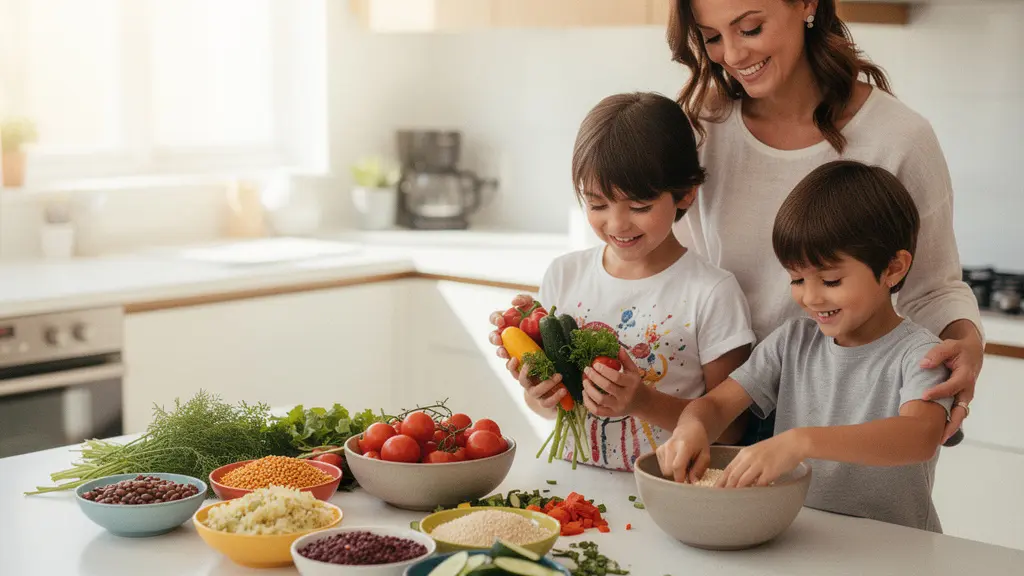
The anxiety over ‘complete protein’ for vegetarian children is valid, but the solution is simpler and more scientific than just combining rice and beans.
- True protein quality depends on amino acid diversity and bioavailability, which can be maximized through strategic food pairing and proper preparation.
- Certain plant foods, like tofu and quinoa, offer superior protein profiles, while vigilance is needed for hidden sodium in processed alternatives and key micronutrients like Vitamin B12.
Recommendation: Shift your focus from simply counting protein grams to building a framework of complementary foods that work in synergy to support your child’s growth.
For vegetarian parents, ensuring a growing child receives adequate, high-quality protein is a common and persistent concern. You’ve likely heard the standard advice: serve plenty of beans, lentils, and nuts. But deep down, a question lingers: is it enough? Are they getting the ‘complete’ protein they need for everything from muscle repair to brain development? This anxiety is understandable, as not all protein sources are created equal. The simple presence of protein in a food is only the first chapter of a more complex nutritional story.
The common approach often focuses on quantity, overlooking the critical concept of protein quality. This includes the full spectrum of essential amino acids—the building blocks of protein that the body cannot produce on its own. While many plant foods are nutritional powerhouses, they can be low in one or more of these essential amino acids. The key to unlocking their full potential doesn’t lie in just eating more, but in understanding the science of how they work together.
But what if the true key wasn’t just about food lists, but about a strategic framework? This guide moves beyond the basics to provide an in-depth, nutritionist-led perspective. We will explore the science of bioavailability—how well your child’s body can actually absorb and use the protein consumed. We will demystify amino acid pairing, compare key protein sources, and navigate the common pitfalls of processed foods and micronutrient gaps. This is your blueprint for building a robust, complete protein strategy that truly supports your child’s healthy development.
This article provides a detailed roadmap, breaking down complex nutritional concepts into actionable steps. The following sections will guide you through the essential components of a successful plant-based protein plan for your growing child.
Summary: A Nutritionist’s Framework for Plant-Based Protein
- Why simply eating vegetables isn’t enough for muscle repair?
- How to pair rice and beans effectively for maximum absorption?
- Eggs or Tofu: Which offers better bioavailability for toddlers?
- The sodium trap in “Chicken-Free Nuggets” you must avoid
- How to hide lentils in pasta sauce without detection?
- What to feed a child within 30 minutes of sports practice?
- Which ancient grain is most likely to be accepted by toddlers?
- Micronutrient Fortification: Are Fortified Cereals Enough for Picky Eaters?
Why Simply Eating Vegetables Isn’t Enough for Muscle Repair?
While a diet rich in vegetables is fundamental for health, it’s a common misconception that it alone can meet the high protein demands of a growing child. The issue isn’t a lack of protein in the plant kingdom, but rather the quality and completeness of that protein. Proteins are constructed from 20 different amino acids, nine of which are “essential” because the body cannot synthesize them. For effective muscle repair, growth, and overall metabolic function, all nine must be present in sufficient quantities simultaneously.
Most animal proteins are “complete,” containing all essential amino acids. Plant proteins, however, are often “incomplete,” meaning they are low in one or more essential amino acids. For example, legumes like beans and lentils are typically low in the amino acid methionine, while grains, nuts, and seeds are often low in lysine. This is known as the “limiting amino acid” principle. If a child eats only grains, their body’s ability to build protein is limited by the low amount of available lysine, no matter how much they consume.
Therefore, relying solely on a variety of vegetables and grains without a strategic approach can lead to an imbalanced amino acid intake. This doesn’t mean a vegetarian diet is deficient; it simply means it requires more thoughtful planning. The goal is to ensure a consistent supply of all essential amino acids throughout the day to create a complete protein pool for the body to draw from. This is achieved through strategic food combining and focusing on protein-dense plant sources at every meal and snack.
How to Pair Rice and Beans Effectively for Maximum Absorption?
The classic combination of rice and beans is more than a cultural staple; it’s a perfect example of nutritional synergy. This pairing elegantly solves the “limiting amino acid” problem. Rice, a grain, is low in lysine but has adequate methionine. Beans, a legume, are rich in lysine but low in methionine. When eaten together, or even within the same day, they form a complete protein profile, providing the body with all the essential amino acids it needs for growth and repair.
However, simply mixing them in a bowl is just the start. To maximize absorption and nutrient bioavailability, preparation is key. Legumes contain compounds called “anti-nutrients,” such as phytates, which can bind to minerals and slightly reduce protein digestibility. Simple, traditional preparation methods can significantly mitigate this. Soaking beans for at least four hours before cooking and then simmering them in fresh water helps break down these compounds, making the protein and minerals more accessible to your child’s digestive system.
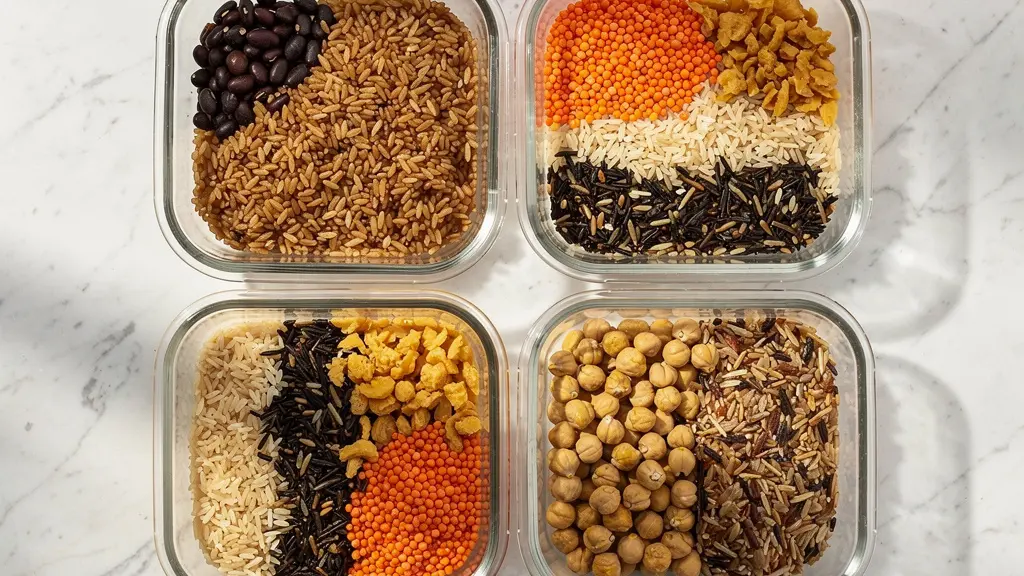
As you can see in the image, the variety is endless. This principle of combining a legume with a grain, nut, or seed extends to many other kid-friendly meals. Think lentil soup with a slice of whole-wheat bread, or hummus (chickpeas) served with whole-grain pita. The goal isn’t to meticulously plan every single meal, but to incorporate these complementary food groups consistently throughout the day to ensure a balanced amino acid intake.
The following table, based on recommendations from nutrition experts, illustrates how different plant foods can be combined to create a complete protein profile, with preparation tips to enhance their nutritional value. As an analysis from the Academy of Nutrition and Dietetics shows, simple preparation makes a significant difference.
| Food Combination | Complete Protein Profile | Preparation Tips |
|---|---|---|
| Rice + Beans | Yes – Complementary amino acids | Soak beans 4 hours, simmer 60-90 minutes in fresh water |
| Lentil Soup + Whole Wheat Bread | Yes – Lysine + Methionine balance | Lentils cook in 20-30 minutes |
| Hummus + Pita | Yes – Complete when combined | Drain and rinse canned beans to remove half the sodium |
| Quinoa + Chickpeas | Enhanced – Quinoa already complete | Quinoa has complete profile of all 20 amino acids |
Eggs or Tofu: Which Offers Better Bioavailability for Toddlers?
When considering concentrated protein sources, both eggs (for ovo-vegetarians) and tofu are excellent choices for toddlers, but they differ in composition and digestibility. Eggs are often considered the gold standard for protein quality, with a perfect score in protein digestibility and a complete amino acid profile that is highly bioavailable. This means a very high percentage of the protein consumed is absorbed and utilized by the body.
Tofu, made from soybeans, is also a complete protein and a nutritional powerhouse. It is a fantastic option, particularly for vegan families or those avoiding eggs. While plant proteins generally have a slightly lower digestibility score than animal proteins due to their fiber content, tofu is an exception. It is lower in fiber compared to whole beans, making it exceptionally easy for a toddler’s developing digestive system to handle. This high digestibility, combined with its complete amino acid profile, makes its protein highly bioavailable and an excellent building block for growth.
Tofu Preparation Guidelines for Different Age Groups
Tofu’s versatility allows it to be adapted to a child’s developmental stage. For younger children, smooth silken tofu can be blended into smoothies or fruit purées. As they develop chewing skills around 9-12 months, soft tofu can be crumbled to resemble scrambled eggs. For toddlers over 12 months, extra-firm tofu is ideal; it can be cubed for stir-fries or baked into dippable nuggets, offering a texture they can easily manage.
Ultimately, both are fantastic choices. As plant-based dietitian Desiree Nielsen, RD, highlights in an interview with fellow dietitian Sarah Remmer, tofu has some unique advantages for young children:
Tofu is a winner for kids – lower in fiber, easier to digest, mild in flavor and totally versatile. One-quarter of a 340g block of extra firm tofu contains 14 grams of protein. Young children tend to love totally plain, uncooked tofu as a finger food.
– Desiree Nielsen, RD, Sarah Remmer – Plant-Based Dietitian Interview
The decision between eggs and tofu doesn’t have to be an either/or choice. For families that include eggs, rotating between both provides a wider range of nutrients. For vegan families, tofu is a reliable, bioavailable, and incredibly versatile cornerstone for toddler nutrition.
The Sodium Trap in “Chicken-Free Nuggets” You Must Avoid
In the quest for convenient, kid-friendly meals, plant-based “chicken-free” nuggets can seem like a perfect solution. They offer a familiar shape and texture that appeals to even the pickiest eaters. While many of these products can be a good source of protein, they can also hide a significant nutritional pitfall: excessive sodium. A child’s daily sodium needs are much lower than an adult’s, and processed foods are a primary contributor to overconsumption.
The sodium content in vegetarian nuggets can vary dramatically between brands. Some may be reasonably low, while others can pack a surprising punch that quickly adds up, especially if they are a regular part of your child’s diet. As a product comparison reveals, sodium ranges widely in vegetarian nuggets, from as low as 340mg to as high as 580mg per serving. With a toddler’s recommended daily limit around 1,000-1,200mg, a single serving of high-sodium nuggets could account for nearly half their daily intake.
This doesn’t mean all veggie nuggets are off-limits. It simply means that becoming a savvy label-reader is non-negotiable. Beyond just sodium, you should also look at the protein source and content. The best options will list a whole-food protein source (like soy, pea, or wheat protein) as the first ingredient, rather than isolates or concentrates. A quality nugget should also provide a substantial amount of protein, ideally 12 grams or more per serving, to ensure it’s more than just breading and fillers. To help navigate the freezer aisle, use this checklist to identify higher-quality options.
Your 5-Point Checklist for Choosing Healthy Veggie Nuggets
- Check the First Ingredient: Look for a named plant protein (e.g., soy protein, pea protein) as the first ingredient, not protein isolates or fillers.
- Target Lower Sodium: Aim for 450mg of sodium or less per serving, and be mindful of serving size and frequency.
- Prioritize Protein Content: Choose brands that provide at least 12 grams of protein per serving to ensure it’s a meaningful contribution.
- Examine the Breading: Opt for products with light breading to ensure you’re paying for protein, not just carbohydrates.
- Scan for Saturated Fat: Check the nutrition panel and select brands that are low in saturated fat.
How to Hide Lentils in Pasta Sauce Without Detection?
For parents of children with selective palates, introducing new textures can be a significant challenge. Lentils, despite being nutritional powerhouses packed with protein and iron, are often rejected due to their distinct texture. One of the most effective strategies for incorporating them into a child’s diet is to make them completely undetectable. Pasta sauce provides the perfect vehicle for this “stealth health” approach.
The key to success lies in two steps: preparation and blending. Red lentils are the best choice for this purpose. Their color blends seamlessly into tomato-based sauces, and they break down more easily than green or brown lentils. However, to achieve a truly smooth, undetectable consistency, a simple pre-soaking technique is highly effective. This method not only enhances texture but also improves digestibility.
The Pre-soaking Technique for Undetectable Lentils
The secret to a perfectly smooth lentil-based sauce is pre-soaking. By soaking dried red lentils in water for at least 4 hours, they become incredibly soft and plump. After soaking, drain them and add them to your simmering pasta sauce. They will cook quickly and become very tender. Once the sauce is cooked, use an immersion blender or a standard blender to purée the entire mixture until it is completely smooth. The result is a creamy, rich sauce with a significant protein boost that even the most texture-sensitive child is unlikely to detect.
This method transforms a standard pasta dish from a simple carbohydrate meal into a balanced, protein-rich one. You can start with a small ratio, such as 1/4 cup of dried lentils per 2 cups of sauce, and gradually increase it as your child becomes accustomed to it. This same principle can be applied to soups, stews, and even homemade dips, providing a reliable way to boost protein and fiber in a variety of kid-friendly meals without causing a dinner-table battle.
What to Feed a Child Within 30 Minutes of Sports Practice?
For active children, especially those involved in sports, post-practice nutrition is critical for muscle recovery and energy replenishment. The 30-to-60-minute window immediately following intense physical activity is when their bodies are most receptive to absorbing nutrients. A post-practice snack should ideally provide a combination of high-quality protein to repair muscle tissue and easily digestible carbohydrates to restore depleted glycogen (energy) stores.
The protein needs of active children may be even higher than their sedentary peers. While standard recommendations are a good baseline, activity level is a major factor. In fact, some recent stable isotope research indicates that protein requirements for active, growing children could be significantly higher than previously thought, suggesting needs up to 60% greater when using newer measurement methods. This highlights the importance of a protein-focused snack after sports.
The challenge is finding a quick, portable, and appealing vegetarian snack that fits this nutritional profile. The goal is to choose options that are easy to pack and quick for a tired child to eat. Here are some effective vegetarian options that combine protein and carbohydrates for optimal recovery:
- Greek Yogurt or Soy Yogurt with Fruit: A single-serving cup provides a substantial amount of protein (up to 20g for Greek yogurt) along with quick-acting carbohydrates from the fruit.
- Peanut Butter on Whole Grain Toast or Crackers: This classic combination offers a great balance of protein, healthy fats, and complex carbs.
- Warm Edamame Pods: Packed in a thermos, edamame is a complete protein that’s fun to eat and provides both protein and carbohydrates.
- Cottage Cheese with Sliced Peaches: This offers a powerful protein punch from the cottage cheese and fast-absorbing sugars from the fruit to kick-start recovery.
- Chocolate Milk or a Fortified Soy Milk Alternative: Often called the “perfect recovery drink,” it provides an ideal ratio of carbs to protein for muscle repair and energy replenishment.
Which Ancient Grain Is Most Likely to Be Accepted by Toddlers?
While rice and pasta are common staples in a toddler’s diet, introducing a variety of grains is crucial for broader nutrient intake. Ancient grains like quinoa, amaranth, and millet are excellent additions, but their unique textures and flavors can be met with resistance. Among these, quinoa often stands out as the most toddler-friendly option for several important reasons.
First, quinoa has a significant nutritional advantage: it is one of the very few plant foods that is a complete protein, containing all nine essential amino acids. This makes it an incredibly efficient source of protein, removing the need for careful pairing within the same meal. Second, its texture, when cooked properly, is soft, fluffy, and slightly poppy, which many children find more appealing than the denser or mushier textures of other grains. Its flavor is also very mild and nutty, allowing it to easily absorb the flavors of sauces or other ingredients it’s paired with.
Quinoa’s Success in Family-Friendly Meals
One of the easiest ways to introduce quinoa is by incorporating it into familiar dishes. For example, a “quinoa chili” can be a huge success. By combining quinoa with familiar ingredients like black beans, kidney beans, and a mild chili seasoning, the grain becomes part of a cohesive and flavorful one-pot meal. In this context, the quinoa provides a triple plant-based protein boost alongside the beans. This approach makes it simple to prepare a nutrient-dense, family-friendly meal that even picky eaters are likely to accept.
To ensure a positive reception, proper preparation is key. It’s essential to rinse quinoa thoroughly before cooking to remove its natural coating, called saponin, which can impart a bitter taste. Cooking it in a vegetable broth instead of water can also add a savory flavor that children enjoy. You can serve it as a simple side dish, mix it into soups, or use it as a base for veggie burgers, making it a versatile and powerful addition to your child’s diet.
Key Takeaways
- Protein quality is paramount: Focus on providing a full spectrum of essential amino acids through strategic food pairing (e.g., legumes and grains).
- Preparation enhances nutrition: Simple steps like soaking beans or rinsing quinoa significantly improve protein bioavailability and digestibility.
- Micronutrients matter: A complete vegetarian diet requires vigilance for key nutrients, especially Vitamin B12, which often necessitates supplementation.
Micronutrient Fortification: Are Fortified Cereals Enough for Picky Eaters?
While ensuring adequate protein intake is a primary focus, a well-rounded vegetarian diet for children requires a broader view of micronutrients. Fortified foods, such as breakfast cereals, plant-based milks, and breads, can play a valuable role in bridging potential nutritional gaps, especially for picky eaters. They are often enriched with crucial nutrients like iron, calcium, and B vitamins. However, relying on them as the sole safety net can be a risky strategy.
The most critical nutrient of concern is Vitamin B12. This vitamin is essential for nerve function and the formation of red blood cells, and it is found almost exclusively in animal products. It is not naturally present in plant foods. While some cereals and plant milks are fortified with B12, the amount can be inconsistent, and a child would need to consume them daily in sufficient quantities to meet their needs. For this reason, for vegan children in particular, supplementation is considered mandatory, not optional, to prevent deficiency.
Other nutrients also require careful monitoring. Iron from plant sources (non-heme iron) has a lower bioavailability than iron from meat. Similarly, vegan children may have lower intakes of calcium and zinc. While fortified foods help, they may not be enough to consistently meet the recommended daily intake, especially if a child’s diet is limited. A meta-analysis published in Contemporary Pediatrics summarizing research on vegetarian diets in children underscores these specific areas of concern.
| Nutrient | Concern Level | Best Vegetarian Sources | Supplementation Needed? |
|---|---|---|---|
| Vitamin B12 | Critical | Fortified foods only | Yes – doesn’t reach adequate levels without supplementation |
| Iron | Moderate | Higher intake but lower bioavailability from non-heme sources | Sometimes |
| Calcium | High for vegans | Vegan children had especially low calcium intake | Often recommended |
| Zinc | Moderate | Often at lower end of recommended ranges | Monitor closely |
| Vitamin D | Moderate | Reduced levels observed in some plant-based groups | Usually recommended |
Therefore, while fortified cereals are a helpful tool, they should be viewed as a supplement to, not a replacement for, a diverse diet rich in whole foods. Regular consultation with a pediatrician or registered dietitian is essential to monitor your child’s growth and determine if specific supplementation is needed.
Building a complete protein framework is an ongoing process of learning and adaptation. By focusing on the principles of amino acid diversity, bioavailability, and micronutrient awareness, you can confidently provide your child with all the building blocks they need to grow and flourish on a vegetarian diet. To apply these principles confidently, start by assessing one meal this week using the protein pairing and preparation tips outlined here.
Frequently Asked Questions About Plant-Based Protein for Children
Which color lentils work best in tomato sauce?
Red lentils or split red lentils blend seamlessly into tomato-based sauces and cook quickly, making them ideal for “hiding” protein.
How can I make the texture completely smooth?
Use an immersion blender or a standard blender after cooking the lentils into the sauce. This will create a creamy, uniform consistency that even texture-sensitive kids won’t detect.
What’s the best ratio of lentils to sauce?
A good starting point is to use 1/4 cup of dried lentils for every 2 cups of sauce. You can adjust this ratio up or down based on your child’s acceptance and your protein goals for the meal.