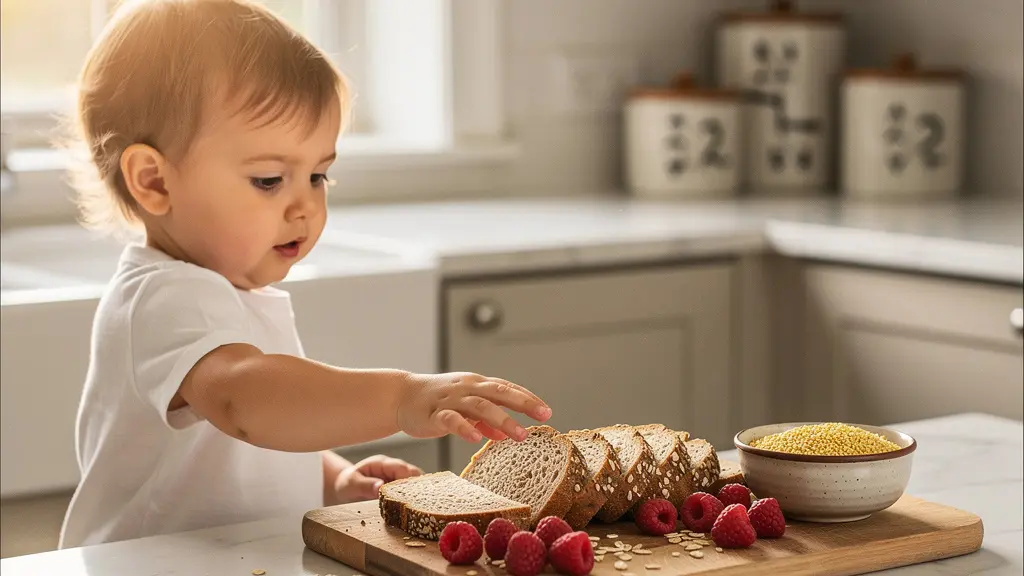
The secret to moving kids from white bread to whole grains isn’t trickery; it’s a gentle process of rebuilding their trust in food by prioritizing their digestive comfort and using the right type of fiber.
- Most parents make the mistake of adding bulky (insoluble) fiber too quickly, causing pain and bloating that creates a negative food association.
- Success comes from starting with soft, soluble fibers and using “palate bridge” grains like white whole wheat flour that mimic the texture kids already love.
Recommendation: Begin by swapping just one-third of the white flour in a favorite recipe (like muffins) with white whole wheat flour, and ensure your child drinks more water that day.
As a family dietitian, I see the same pattern constantly: parents, worried about their child’s constipation or constant hunger, feel stuck in a cycle of serving white bread, pasta, and crackers. You know your child needs more fiber, but every attempt to introduce a hearty whole grain results in a closed mouth, a plate pushed away, and mounting frustration. The common advice—to hide vegetables or simply keep offering the food until they give in—often backfires, turning the dinner table into a battlefield and reinforcing the idea that healthy food is something to be endured, not enjoyed.
But what if the problem isn’t your child’s stubbornness, but our strategy? The transition from highly refined grains to nutrient-dense ones is not about force or deception. It’s a gentle, scientific process that respects a child’s developing palate and sensitive digestive system. The key isn’t just to add *more* fiber, but to add the *right kind* of fiber, in the right way, to ensure digestive comfort from the very first bite. It’s about building a “palate bridge” from the familiar textures they love to the wholesome foods their bodies need, all while making them feel safe and in control.
This guide will walk you through that process step-by-step. We’ll explore why a fiber-rich meal can dramatically improve sleep, identify the best “starter” grains that even toddlers will accept, and reveal the practical kitchen techniques to make whole grain foods soft and delicious. We will also uncover the common mistakes that cause bloating and create food aversions, and learn how to pair foods smartly to unlock their full nutritional potential, turning a picky eater into a confident, adventurous one.
Summary: How to Introduce Fiber-Rich Grains to Kids Who Only Eat White Bread?
- Why a fiber-rich dinner helps prevent night waking?
- Which ancient grain is most likely to be accepted by toddlers?
- How to swap flour in muffins without making them rock hard?
- The bloating mistake that scares kids away from healthy food
- Why you must increase water intake when adding more grains?
- Why adding the wrong fiber makes constipation worse?
- Why forcing a child with sensory issues to eat backfires?
- How to Maximize Nutrient Absorption Through Smart Food Pairing?
Why a fiber-rich dinner helps prevent night waking?
If your child is waking up in the middle of the night, their dinner of white pasta or bread might be the culprit. Refined carbohydrates are digested very quickly, causing a rapid spike in blood sugar followed by a crash. This dip in blood sugar can be enough to jolt a child out of a deep sleep, often leaving them feeling hungry or unsettled. This isn’t just a theory; a massive study covering 39,722 individuals showed a clear link between consuming low-quality carbohydrates and experiencing poor sleep patterns.
In contrast, a dinner built around fiber-rich whole grains provides a slow, steady release of energy throughout the night. Fiber slows down digestion, stabilizing blood sugar and promoting a feeling of fullness, or satiety, that lasts for hours. This metabolic stability is the foundation of uninterrupted sleep. A controlled feeding study confirmed this powerful connection: when participants ate meals lower in fiber and higher in sugar, they experienced lighter, more fragmented sleep with more frequent awakenings. A diet rich in fiber, however, was shown to promote deeper, more restorative sleep.
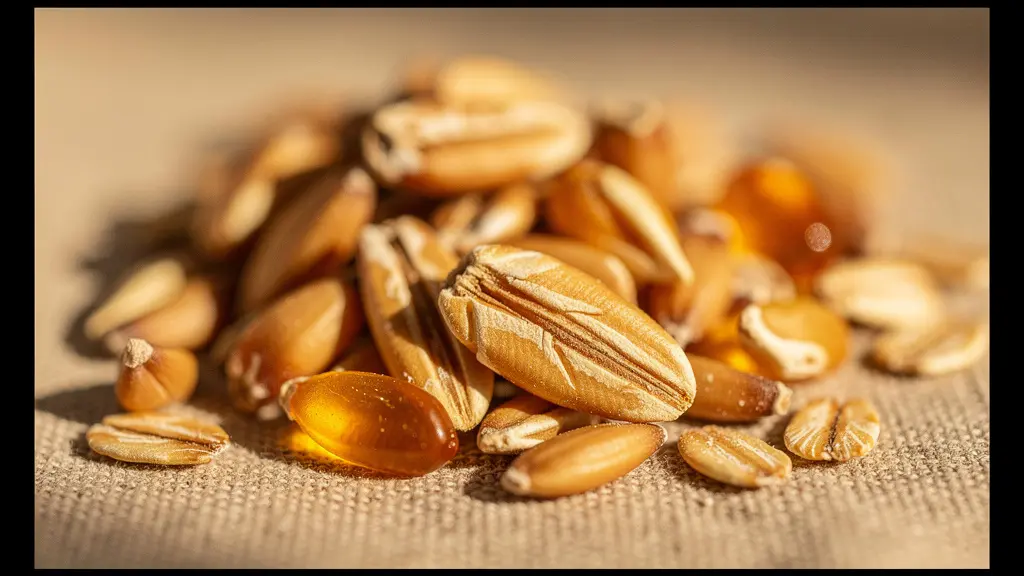
Think of it as giving your child’s body a slow-burning log for the fire of their metabolism, rather than a piece of paper that flares up and dies out quickly. By swapping refined grains for whole oats, barley, or whole wheat bread at dinner, you’re not just improving their nutrition; you are providing the sustained energy needed to keep them sleeping soundly until morning. This simple change can be one of the most effective tools for preventing those frustrating midnight wake-up calls.
Which ancient grain is most likely to be accepted by toddlers?
When introducing new foods to a toddler, the goal is to build a “palate bridge” from what they already accept to what you want them to eat. For a child accustomed to the soft, pale consistency of white flour, jumping straight to a chewy, dark grain like rye or farro is often too big a leap. The key is to start with a grain that mimics the color and texture of their comfort foods. The most successful and dietitian-recommended entry point is white whole wheat flour. It’s milled from a naturally lighter variety of wheat, so it lacks the slightly bitter taste and dark color of traditional whole wheat but contains all the same nutritional benefits.
Patience is a crucial ingredient in this process. It’s important for parents to understand that acceptance rarely happens on the first try. In fact, research from the Whole Grains Council suggests it can take 5-10 exposures for preschoolers to accept a new food. Setting realistic expectations prevents you from giving up too soon. Other grains with a high chance of acceptance due to their mild flavor and soft texture include sorghum and millet, which can be used in porridges or as a fluffy substitute for rice.
The following table provides a clear comparison of gentle, toddler-friendly grains that can serve as excellent starting points on your journey away from refined white flour.
| Grain | Appearance | Texture When Cooked | Flavor Profile | Best Use for Toddlers |
|---|---|---|---|---|
| White Whole Wheat | Light, pale — mimics white flour | Soft, fine crumb | Mild, no bitterness | Baking (muffins, pancakes, bread) |
| Sorghum | Light, neutral color | Soft, fluffy | Mild, slightly sweet | Porridge, flatbreads |
| Millet | Small, golden grains | Fluffy, not chewy | Slightly sweet, nutty | Side dish (replaces rice) |
| Amaranth | Tiny seeds | Creamy, porridge-like | Earthy, mild | Mixed into porridge or patties |
| Quinoa Flakes | Thin, pale flakes | Dissolves when cooked | Very mild | Oatmeal substitute, baked goods |
By starting with these milder options, you respect your child’s sensory preferences while still making significant nutritional progress. This strategy is not about trickery; it’s about a gradual, respectful introduction that builds trust and a positive relationship with new foods.
How to swap flour in muffins without making them rock hard?
One of the biggest complaints I hear from parents is that when they try baking with whole grain flour, the result is dense, dry, and promptly rejected by their kids. The reason for this “rock hard” texture is that the bran and germ in whole grain flours are much thirstier than refined white flour. If not handled correctly, they soak up all the moisture, leaving you with a crumbly, unappealing muffin. The secret to a soft, tender crumb lies in a few simple kitchen science tricks.
As the experts at the Kansas Wheat Commission note, using the right type of flour is your first advantage. In their guide, “Encouraging Children to Consume Whole Grains,” they highlight the value of a specific variety:
White whole wheat flour is made from a lighter-colored grain; the coloring is lighter and it has a milder taste yet still has the same nutritional benefits of whole wheat flour.
– Eat Wheat / Kansas Wheat Commission
This makes it the perfect “stealth” ingredient for your first swap. But even with the right flour, technique is everything. First, don’t go all-in. Start by replacing only one-third to one-half of the all-purpose flour in your recipe. This maintains a familiar texture. Second, and this is the most critical step, let the batter rest for 10-15 minutes before baking. This gives the bran time to fully absorb the liquid and soften, which prevents a gritty texture. Finally, add a moisture-booster like a quarter cup of unsweetened applesauce, mashed banana, or plain yogurt to the batter. These ingredients help lock in moisture, ensuring a tender muffin every time.
The bloating mistake that scares kids away from healthy food
One of the fastest ways to create a negative association with healthy food is to cause a child physical discomfort. Parents, in their enthusiasm to boost fiber, often make the mistake of introducing too much, too quickly. A child’s digestive system, accustomed to easily digestible refined grains, can be overwhelmed by a sudden influx of high-fiber foods. The result is painful gas, cramping, and bloating. For a child, this discomfort becomes directly linked to the new food, and they will naturally resist eating it again. It’s not picky eating; it’s a logical response to a negative experience.
As the Mayo Clinic emphasizes, the key is to increase fiber intake gradually over several weeks. This gives the gut microbiome—the friendly bacteria in the intestines—time to adapt and adjust. This principle of “microbial kindness” is essential for long-term success. Instead of switching from white bread to a 100% whole wheat dense loaf overnight, start with a gentler option that has already undergone a form of pre-digestion: sourdough.
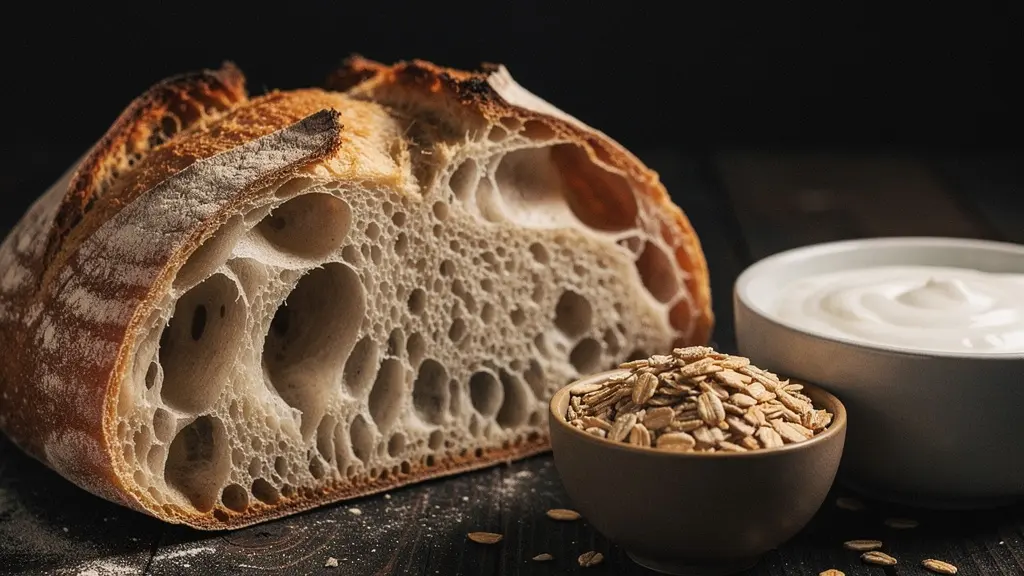
The long fermentation process used to make true sourdough bread breaks down some of the components that can be hard to digest, including compounds called phytates. Phytates can bind to minerals and interfere with their absorption, but the fermentation process significantly reduces them. In fact, research shows that sourdough fermentation can lower phytic acid by 40% to over 90%. This makes the nutrients in the grain more available and the bread itself much easier on a child’s stomach, providing a perfect transition food that offers digestive comfort and avoids the bloating that scares them away.
Why you must increase water intake when adding more grains?
Introducing more fiber into your child’s diet without also increasing their fluid intake is a recipe for constipation. This is a critical piece of the puzzle that many parents miss. Fiber works by absorbing water in the digestive tract, which helps to soften stool and add bulk, making it easier to pass. However, if there isn’t enough water available, certain types of fiber can have the opposite effect: they can create a hard, bulky mass that is difficult and painful to pass, worsening the very problem you’re trying to solve.
This isn’t just a suggestion; it’s a physiological necessity. As experts from Nationwide Children’s Hospital state clearly in their patient education materials:
Your child should drink more fluids when they eat more fiber. Too much fiber without enough to drink can cause constipation.
– Nationwide Children’s Hospital
To ensure a smooth and comfortable digestive transition, think of fiber and water as a team that must work together. When you serve a meal with whole grain pancakes or add chia seeds to their yogurt, make sure a full cup of water or milk is served alongside it. Don’t wait for them to feel thirsty. A great strategy is to offer water during the meal, not just before or after, as this helps the fiber begin to swell and work its magic right away. Using a fun, dedicated water bottle with measurement lines can also empower children to track their own hydration throughout the day, turning it into a positive habit rather than a chore. Remember: more fiber always requires more fluids.
Why adding the wrong fiber makes constipation worse?
Not all fiber is created equal. This is arguably the most important concept for a parent dealing with a constipated child to understand. Many parents, hearing that wheat bread is a good source of fiber, will give their child whole wheat toast, only to find the constipation and discomfort get worse. This is because they are likely using the wrong *type* of fiber. For a child who is already backed up, adding more “bulking” fiber can be like adding more cars to an already-clogged traffic jam.
Fiber is broadly divided into two categories: insoluble and soluble. * Insoluble Fiber (the “bulking” fiber) does not dissolve in water. It acts like a broom, sweeping through the intestines and adding physical bulk to stool. It’s found in wheat bran, nuts, and the skins of many vegetables. While great for *maintaining* regularity in a healthy gut, it can worsen constipation if the existing stool is hard and dry. * Soluble Fiber (the “softening” fiber) dissolves in water to form a gel-like substance. This gel traps water, softening the stool and helping it pass smoothly and painlessly. This is the type of fiber a constipated child needs. Excellent sources include oats, barley, chia seeds, flaxseed, and psyllium.
The distinction is critical, as choosing the right fiber can mean the difference between relief and increased pain. This is especially important given that studies cited by Utah State University Extension report that less than 10% of youth meet their recommended fiber intake, meaning most are starting from a deficit.
| Characteristic | Bulking Fiber (Insoluble) | Softening Fiber (Soluble) |
|---|---|---|
| Primary Sources | Wheat bran, whole wheat bread, raw vegetables | Oats, barley, chia seeds, flaxseed, psyllium |
| Mechanism | Adds physical bulk to stool, does not dissolve in water | Dissolves in water, forms gel-like substance that softens stool |
| Effect on Constipated Child | Can worsen pain if stool is already hard and dry — adds volume without softening | Helps soften stool and ease passage — preferred first-line approach |
| Water Requirement | High — traps water but can harden without adequate hydration | High — needs water to form gel, but naturally attracts moisture |
| Best For | Maintenance once regularity is established | Active constipation relief and gentle introduction |
So, before reaching for that slice of whole wheat bread, consider starting your child’s day with a warm bowl of oatmeal (soluble fiber). This simple swap prioritizes their immediate comfort and sets the stage for a positive experience with high-fiber foods.
Why forcing a child with sensory issues to eat backfires?
For some children, food refusal has little to do with taste and everything to do with texture, smell, or even the sound a food makes when chewed. This is known as a sensory sensitivity. When a parent tries to force a child with these sensitivities to eat a “slimy” piece of fruit or a “scratchy” piece of bread, the child’s brain can interpret it as a genuine threat. The resulting stress and anxiety create a powerful negative association with that food—and often with mealtimes in general. Forcing the issue doesn’t teach them to like the food; it teaches them that eating is a stressful, unpleasant experience.
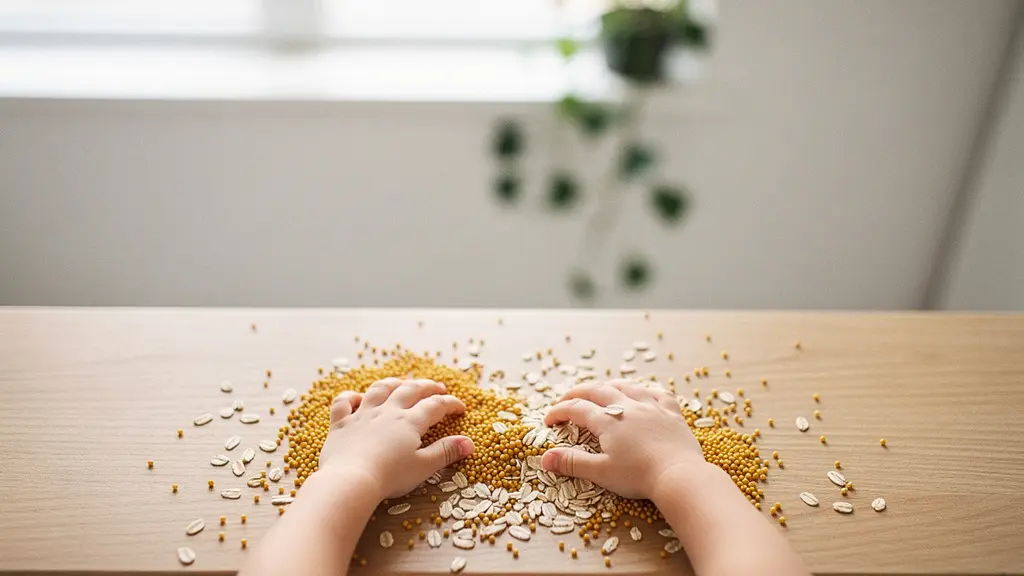
The solution is to create an environment of sensory safety, where the pressure is removed and curiosity is encouraged. A landmark study from the University of Florida demonstrated this perfectly. When middle-school students were offered whole grain options without any pressure, those in the whole grain group naturally tripled their intake. The key finding was that when food is tasty and the environment is pressure-free, children will willingly eat it. This validates what the USDA Dietary Guidelines highlight: it can take up to 8-10 exposures for an infant to accept a new food. Each of these exposures needs to be neutral or positive, not forced.
Instead of saying “You have to take one bite,” try a no-pressure approach. Let them explore the food with their hands. Let them help you pour the oat flour into the muffin batter. Place a small “learning portion” on their plate with no expectation that they have to eat it. By removing the pressure, you lower their anxiety and open the door for them to approach the new food on their own terms. This respect for their sensory experience is the foundation of building a trusting and adventurous eater.
Key Takeaways
- Start with Relief: For a constipated child, always begin with “softening” soluble fibers like oats and chia seeds, not “bulking” insoluble fibers like wheat bran.
- Build a Palate Bridge: Use white whole wheat flour in familiar recipes like muffins or pancakes to mimic the color and texture of white flour while delivering whole grain nutrition.
- Water is Non-Negotiable: Fiber needs water to work. Every time you increase fiber in your child’s diet, you must also consciously increase their fluid intake to prevent constipation.
How to Maximize Nutrient Absorption Through Smart Food Pairing?
Successfully getting your child to eat whole grains is a major victory. The next step is to ensure their body can absorb all the wonderful nutrients—like iron, zinc, and B vitamins—packed inside. Whole grains contain a natural compound called phytic acid, which can bind to minerals and prevent them from being fully absorbed. However, with a few simple and delicious food pairing strategies, you can easily overcome this and unlock the full nutritional potential of every meal.
This isn’t about complicated science; it’s about smart, simple additions to the plate. For example, Vitamin C is a powerful tool for unlocking iron from plant-based sources. Simply serving strawberries with their oatmeal or a few orange slices alongside their whole wheat toast can significantly boost iron absorption. Healthy fats are another crucial partner. Vitamins A, D, E, and K are “fat-soluble,” meaning they need fat to be absorbed. Adding a smear of butter or avocado to toast or a dollop of full-fat yogurt to a bowl of grain porridge ensures these vital nutrients get put to good use.
By thinking about the meal as a whole, rather than just isolated ingredients, you can turn a simple dish into a nutritional powerhouse. These pairings work synergistically to support your child’s digestion, boost their nutrient intake, and continue building a positive relationship with healthy, wholesome food.
Your Action Plan: 4 Smart Food Pairings to Maximize Nutrient Absorption
- Pair with Vitamin C: Serve whole grains with a side of strawberries, orange slices, bell peppers, or kiwi to break the phytate-iron bond and dramatically boost the absorption of non-heme iron.
- Include Healthy Fats: Add a small amount of butter, avocado, or nut butter to grain-based meals. This is essential for the body to absorb the fat-soluble vitamins (A, D, E, and K) present in whole grains.
- Serve with Fermented Foods: Offer grains alongside yogurt or kefir. The probiotics and enzymes in these foods assist a child’s developing gut in breaking down complex grain structures and improving mineral uptake.
- Prep with Soaking or Fermentation: When preparing grains at home, use methods like overnight soaking for oats, sprouting grains before cooking, or choosing sourdough bread. These techniques can reduce phytic acid by up to 90% before the food even reaches the plate.
Start today by choosing just one of these gentle strategies. By focusing on digestive comfort, building a palate bridge, and removing all pressure, you can guide your child toward a lifetime of enjoying wholesome, nourishing foods.