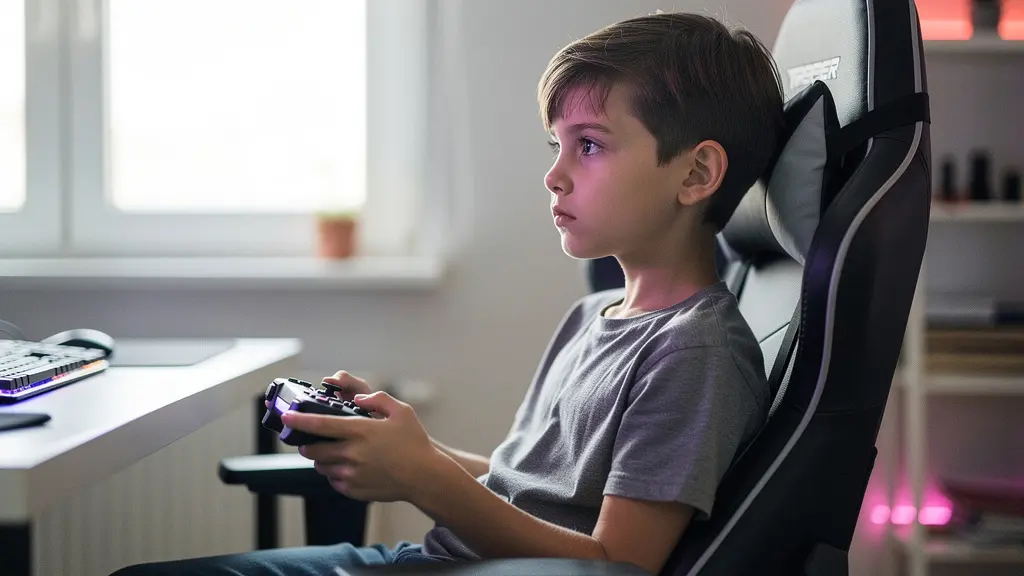
The 20-20-20 rule is necessary triage, but insufficient prevention: optimal pediatric eye health requires a holistic “Visual Hygiene Ecosystem” addressing light exposure, ergonomic distance, and nutritional biochemistry.
- Environmental design matters more than apps: children need 16+ hours weekly of outdoor light above 1000 lux to trigger retinal dopamine release and inhibit axial elongation.
- Blue light filters show no efficacy for digital eye strain; the true culprits are accommodation spasm and suboptimal viewing distances under 20 cm.
- A comprehensive strategy combines visual ergonomics, diverse optical stimuli, and dietary photoprotection to prevent myopia onset and support developing visual cortex function.
Recommendation: Implement a daily visual audit assessing ambient lux exposure, screen distance compliance, and nutritional intake rather than relying solely on break timers.
As a pediatric optometrist, I observe a recurring pattern in clinical practice: parents arrive anxious about their child’s screen time, armed with the 20-20-20 rule as their primary defense. While this protocol—taking a 20-second break every 20 minutes to look at something 20 feet away—provides temporary accommodative relief, it represents reactive triage rather than preventative architecture. The modern visual environment, characterized by high-near workloads and dim indoor lighting, creates a perfect storm for myopia progression and digital eye strain that simplistic break schedules cannot mitigate.
The prevailing platitude suggests that “limiting screen time” or purchasing blue light glasses constitutes sufficient protection. However, contemporary optometric research reveals a more complex biomechanical reality. Visual health functions as an ecosystem requiring specific lux exposure thresholds, precise ergonomic distances, and cellular-level nutritional support for photoreceptor maintenance. This article dismantles the myth of the singular solution, presenting instead an evidence-based framework for curating what I term a “balanced visual diet”—one that addresses the full spectrum of environmental, behavioral, and biological factors influencing ocular development in the digital age.
For those who prefer visual learning, the following presentation by Dr. Keshav Narain provides a clear foundation on the mechanics of the 20-20-20 rule and why it represents merely the entry point to comprehensive visual hygiene.
Understanding that vision protection extends beyond periodic breaks, we must examine how environmental light, viewing ergonomics, and even dietary choices collectively determine ocular health outcomes. The following sections explore eight critical domains of pediatric visual hygiene, from the photobiology of outdoor exposure to the neurocognitive rest afforded by non-visual media.
Table of Contents: Building a Comprehensive Vision Protection Strategy
- Why kids who play outside less are more likely to need glasses?
- Blue Light Glasses: Do they actually protect children’s eyes?
- How far should the tablet be to prevent digital eye strain?
- The subtle signs of vision problems most parents miss
- Which foods actively support retina health in growing kids?
- Audiobooks or Tablets: Which rests the brain better during downtime?
- How to teach a child to check a branch before trusting it?
- Diverse Leisure Activities: Curating a Balanced “Mental Diet” for Kids
Why kids who play outside less are more likely to need glasses?
The relationship between outdoor time and myopia prevention extends far beyond the simple act of “looking into the distance.” Photobiological research demonstrates that high-intensity ambient light (typically exceeding 1000 lux) triggers dopamine release in the retina, which in turn inhibits axial elongation—the primary biomechanical driver of myopia. Indoor environments, even those perceived as well-lit, rarely exceed 500 lux, creating a myopigenic environment for developing eyes.
Recent evidence provides compelling dosing guidelines for clinical application. A 2024 meta-analysis found a clear dose-response between outdoor time and reduced myopia onset risk, reporting that children with the highest versus lowest outdoor exposure showed significantly lower odds of myopia onset (OR 0.53). Critically, the research identified a nonlinear threshold: compared with 3.5 hours weekly outdoors, 16.3 hours weekly corresponded to approximately 53% lower risk of myopia onset. This suggests a therapeutic window requiring substantial, consistent exposure rather than sporadic weekend activities.
The mechanism involves both hormonal signaling and optical feedback. Bright light stimulates retinal dopaminergic amacrine cells, which suppress signaling cascades that promote scleral thinning and eyeball elongation. Additionally, outdoor environments provide high-contrast peripheral visual stimuli and wide-field optical infinity, which may reduce peripheral hyperopic defocus implicated in myopic progression. For parents, the prescription is clear: daily outdoor recess is not merely recreational but physiological, functioning as a prophylactic against refractive error.
Implementing this requires structural changes to daily routines. Morning light exposure appears particularly potent for circadian entrainment and dopaminergic signaling, suggesting that outdoor time before school may offer enhanced protection compared to equivalent afternoon exposure.
Blue Light Glasses: Do they actually protect children’s eyes?
The commercial marketing of blue light filtering lenses has created a pervasive misconception among parents—that blocking high-energy visible (HEV) light between 400-500nm prevents digital eye strain and retinal damage. From a physiological standpoint, this premise conflates two distinct phenomena: phototoxicity from intense UV/blue light exposure (which occurs primarily from solar radiation, not screens) and the accommodative-vergence dysfunctions actually responsible for computer vision syndrome.
Rigorous examination of the evidence reveals a disconnect between marketing claims and clinical outcomes. A 2023 systematic review in young screen users found no evidence that blue-blocking filters prevent digital eye strain, synthesizing data from 10 studies encompassing 2,365 participants. The analysis specifically examined two controlled studies (130 participants) measuring asthenopic symptoms—eye fatigue, dryness, and headache—and found no statistically significant benefit from blue-filtering lenses compared to standard optical corrections.
The root cause of digital eye strain lies not in light spectra but in accommodative spasm and reduced blink rates. When children focus on near targets (screens, books), the ciliary muscle contracts continuously, creating fatigue. Additionally, screen viewing reduces blink frequency from approximately 15-20 times per minute to 5-7 times, destabilizing the tear film. Blue light does influence melanopsin-containing retinal ganglion cells regulating circadian rhythms, potentially affecting sleep latency, but this photoreceptor pathway is distinct from the mechanisms generating visual discomfort during near work.
Parents should redirect investment from tinted lenses toward ergonomic interventions: enforcing viewing distances, ensuring ambient lighting reduces pupillary dilation, and instituting the 20-20-20 rule not for blue light reduction but for accommodative relaxation.
How far should the tablet be to prevent digital eye strain?
Accommodative demand—the muscular effort required to focus on near objects—follows an inverse relationship with viewing distance. As distance halves, accommodative effort doubles, creating exponential strain on the ciliary body. For children whose visual systems are still developing, sustained near-point stress can trigger irreversible structural changes, specifically axial elongation associated with myopia progression.
Epidemiological data reveals alarming behavioral patterns. A 2025 school study found nearly half of students reported viewing distances at or under 20 cm when using digital devices. In a survey of 1,394 fourth-grade students in Beijing, 47.1% self-reported holding screens at 20 cm or less, a distance associated with significantly higher odds of screening myopia (OR 1.32; 95% CI 1.02–1.71). This proximity places extreme accommodative and convergence demands on the visual system.
| Viewing Distance | Accommodative Demand (Diopters) | Risk Level for Children |
|---|---|---|
| 10 cm (phone held close) | 10.0 D | High myopigenic stress |
| 20 cm (common tablet use) | 5.0 D | Moderate to high risk |
| 40 cm (Harmon distance) | 2.5 D | Acceptable for sustained use |
| 63 cm (adult arm length) | 1.6 D | Low stress |
The clinical guideline follows the “Harmon distance”—the distance from the elbow to the knuckles of the fist, typically 40-50 cm for school-aged children. At this range, accommodative demand remains below 2.5 diopters, sustainable for extended periods without inducing ciliary spasm. Parents should physically measure this distance with their child and establish environmental cues (stands, tripods) that enforce this ergonomic boundary.
Teaching children to self-monitor using body-based metrics—their own forearm length—creates an internalized reference they can apply across contexts, from library reading to tablet use.
The subtle signs of vision problems most parents miss
Children rarely report visual dysfunction because they lack a comparative reference; they assume their visual experience represents normalcy. Consequently, amblyopia, strabismus, and significant refractive errors often remain undetected until school vision screenings or academic difficulties emerge. This diagnostic delay represents a critical window of missed intervention, as neuroplasticity for visual development decreases significantly after age seven.
The statistics reveal a troubling gap in preventative care. A 2024 pediatric eye study found comprehensive eye exams were uncommon in preschoolers, reporting that only 6.3% of children aged 6-72 months received thorough evaluations, despite the presence of treatable vision disorders such as amblyopia or strabismus in this population. This suggests that passive observation by parents and pediatricians frequently fails to detect subtle pathology.
Behavioral indicators requiring immediate professional evaluation include: intermittent squinting (attempting to induce pinhole effect to overcome refractive error), head tilting or turning (indicating potential astigmatism or anisometropia), closing one eye during visual tasks (suggesting binocular suppression), losing place while reading (indicating tracking deficits), and avoiding detailed near work despite apparent intelligence. Physical signs include chronic eye rubbing, excessive tearing without irritants, and abnormal photophobia in moderate indoor lighting.
Parents should schedule comprehensive eye examinations—beyond school screenings—by age three, with follow-up evaluations before first grade and annually thereafter if risk factors exist.
Which foods actively support retina health in growing kids?
Retinal photoreceptors and the retinal pigment epithelium (RPE) undergo rapid turnover, requiring specific micronutrients for membrane maintenance and antioxidant defense against photo-oxidative stress. While parents often focus on environmental ergonomics, the biochemical substrate of vision—the macular pigments and photoreceptor outer segments—requires nutritional support that dietary patterns commonly fail to provide.

Lutein and zeaxanthin, carotenoids concentrated in the macula, filter high-energy blue light and quench free radicals generated by phototransduction. These compounds are not synthesized endogenously; they must be ingested through dark leafy greens (kale, spinach), orange peppers, and egg yolks. Omega-3 fatty acids, particularly DHA, constitute over 50% of photoreceptor membrane phospholipids and are essential for proper rhodopsin function and RPE renewal. Cold-water fatty fish (salmon, mackerel, sardines) provide the most bioavailable forms.
Additionally, zinc serves as a cofactor for enzymes converting retinol to retinal (the photopigment chromophore), while vitamins C and E provide antioxidant protection within the aqueous humor and lens. A retina-supportive dietary pattern emphasizes colorful phytonutrient diversity, adequate protein for neurotransmitter synthesis, and limitation of pro-inflammatory processed sugars that may compromise microvascular retinal circulation.
Integrating these foods into daily meals—such as adding spinach to smoothies or serving eggs for breakfast—provides the substrate necessary for cellular repair mechanisms that no ergonomic intervention can replace.
Audiobooks or Tablets: Which rests the brain better during downtime?
Neuroplasticity requires periods of “offline” consolidation, where the brain transitions from task-positive networks to the default mode network (DMN). Visual processing, particularly the dorsal and ventral stream processing of screen-based media, consumes significant metabolic resources. When children engage with tablets during supposed “rest” periods, they often switch from academic near work to recreational near work, maintaining high levels of accommodative tone and visual attention without genuine neurological recovery.
The prevalence of excessive screen exposure underscores this concern. A 2023 child health study found only about one in five children met screen-time guidelines, with just 22% of 8–9-year-olds adhering to recommended limits, compared to 67% meeting sleep guidelines. This suggests that visual rest deficits are systemic rather than isolated to individual families.
Audiobooks provide cognitive enrichment without visual loading. They activate language networks and imagination while allowing the ciliary muscle to relax at optical infinity, the tear film to stabilize through normal blink patterns, and the visual cortex to enter a lower metabolic state. During true visual downtime, the eyes should be focused beyond six meters (20 feet), allowing complete accommodative relaxation and convergence divergence. Audiobooks facilitate this state while maintaining narrative engagement, making them superior to tablets for recovery periods.
Implementing “audio hours”—designated times for story listening without visual accompaniment—creates necessary physiological recovery windows in a child’s daily schedule.
How to teach a child to check a branch before trusting it?
Vision serves not merely for identification but for navigation and risk assessment within three-dimensional space. Teaching children to evaluate physical structures—the integrity of a tree branch, the stability of a rock—trains critical aspects of stereopsis (depth perception), texture discrimination, and visual-motor integration often neglected in flat-screen environments. This “environmental visual literacy” prevents injury while developing the dorsal visual stream responsible for spatial processing.
The importance of such training is statistically significant. Pediatric injury prevention literature highlights that unintentional injuries drive over 1 million nonfatal ED visits each year in U.S. children under five, representing the most common cause of morbidity and mortality in this demographic. Many of these incidents involve failures to perceive structural instability or spatial hazards—deficits in visual judgment rather than mere physical clumsiness.
The “Visual Risk Assessment Protocol” involves three steps: peripheral sweep (scanning for color variations indicating rot or stress fractures), texture analysis (identifying fungal growth or bark separation), and progressive loading (applying weight gradually while maintaining three points of contact). This teaches children to trust but verify visual hypotheses about physical affordances, developing the predictive visual processing necessary for safe autonomous exploration.
Regular practice in varied natural environments—climbing trees, navigating uneven terrain—calibrates the visual system’s estimation of distance and structural integrity in ways that playground equipment and flat screens cannot replicate.
Key Takeaways
- The 20-20-20 rule addresses symptoms but not causes; preventing myopia requires 16+ hours weekly of outdoor light exposure above 1000 lux to trigger retinal dopamine release.
- Blue light glasses lack evidence for preventing digital eye strain; enforce the Harmon distance (40-50 cm) instead to reduce accommodative demand.
- Comprehensive protection combines environmental ergonomics, nutritional support for photoreceptors (lutein, DHA, zinc), and genuine visual rest through non-screen activities like audiobooks.
Diverse Leisure Activities: Curating a Balanced “Mental Diet” for Kids
Synthesizing these elements reveals that vision health, like nutrition, requires biodiversity. A “visual diet” consisting solely of near-point indoor screens creates physiological maladaptation—specifically, myopic axial elongation and accommodative inflexibility. True visual health demands optical variation: high-lux outdoor distance viewing, mid-range dynamic activities (sports, play), near-point work with ergonomic boundaries, and periods of complete visual rest.
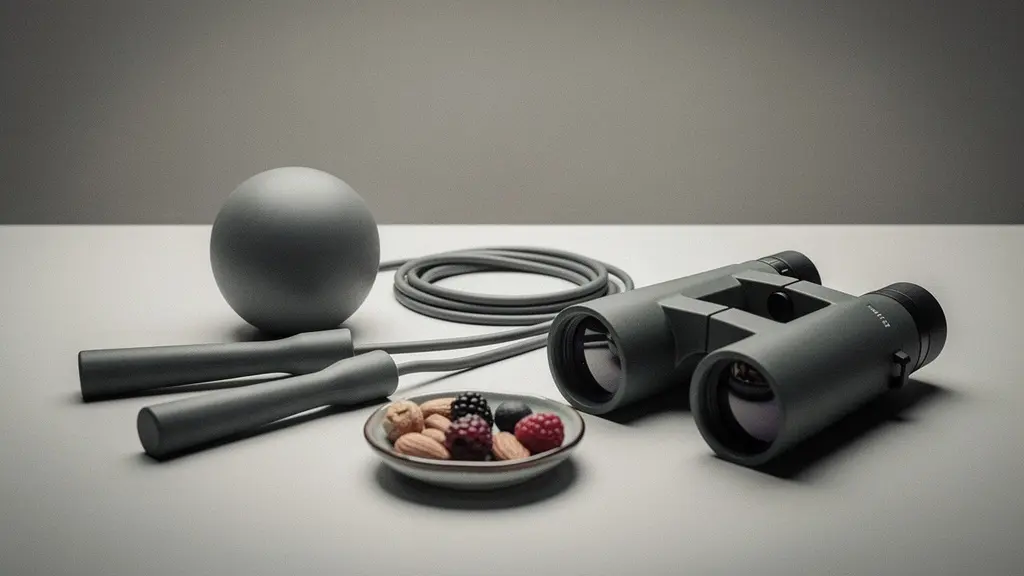
Current exposure patterns fall short of physiological requirements. Objective light monitoring in a large child cohort found many children were below ~2300 lux exposure, with 50% of participants experiencing sunlight intensity under 2300 lux and averaging only 91.1 minutes of outdoor time daily—far below the 16+ hours weekly threshold for myopia protection. This deficit represents a public health failure in environmental design rather than individual parenting choices.
Your 5-Step Daily Visual Hygiene Audit
- Measure viewing distance: Ensure all screens maintain at least the Harmon distance (elbow to knuckle, ~40-50 cm) to keep accommodative demand under 2.5 diopters
- Assess ambient lighting: Verify cumulative outdoor exposure targets 16+ hours weekly at intensity levels above 1000 lux
- Observe behavioral signs: Check for intermittent squinting, head tilting, or unilateral eye closure during near work
- Audit dietary intake: Include lutein-rich dark leafy greens and DHA-containing fatty fish in daily meals for photoreceptor membrane maintenance
- Schedule cognitive rest: Replace 30-60 minutes of potential screen time with audiobooks or outdoor play to allow accommodative relaxation
Curating this balance requires intentionality. Parents must function as “visual nutritionists,” ensuring children receive adequate “macronutrients” (diverse optical distances and light intensities) and “micronutrients” (specific nutrients for retinal health). This ecosystem approach—combining the distance management of section 30.3, the photoprotection of section 30.5, and the environmental exposure of section 30.1—creates resilient visual systems capable of withstanding digital age demands.
Schedule a comprehensive pediatric eye examination today to establish baseline refractive status and implement a personalized visual hygiene protocol that extends far beyond the 20-20-20 rule.