
In summary:
- The sudden increase in your daughter’s appetite is a normal biological event called a metabolic surge, similar to an elite athlete’s energy needs.
- This is a critical, one-time window to build her “bone bank” with calcium and support her first menstrual cycles with iron, especially from non-dairy or non-meat sources.
- Stabilizing blood sugar with specific food pairings (Protein-Fat-Carb) is the key to managing “hangry” hormonal meltdowns.
- How you talk about her body is crucial; focus on what her body can *do* (function) rather than how it looks (form).
One day you have a child who picks at her food, and the next, it seems you have a teenager who could out-eat every adult in the house. The pantry is perpetually empty, the grocery bills are climbing, and you’re left wondering: is this normal? As a pediatric endocrinology nurse, I can reassure you that not only is it normal, it’s a sign of a powerful and healthy biological process unfolding. You might hear well-meaning advice to simply “feed the growing girl,” but this perspective misses the profound science at play.
The changes you’re witnessing—the ravenous hunger, the sudden mood swings, the new curves—aren’t random. They are the external signs of an internal, high-energy construction project orchestrated by hormones. This isn’t just about getting bigger; it’s about building the very foundations of her future adult health, from bone density to reproductive wellness. Understanding this “why” behind the “what” is the key to transforming your parental anxiety into confident, informed action. It allows you to move beyond simply managing symptoms and toward proactively supporting her body’s incredible transformation.
This guide is designed to walk you through that science in a practical way. We will decode the metabolic engine driving her new appetite, explore the non-negotiable roles of key nutrients like calcium and iron, provide communication strategies to protect her body image, and explain how to track her physical growth with confidence. By the end, you will be equipped not just with meal ideas, but with a deep understanding of the biological marvel occurring in your daughter.
To help you navigate this important topic, we have structured this article to address the most pressing questions parents face during this stage. You can explore the different facets of your daughter’s changing nutritional needs through the sections below.
Summary: Navigating Your Daughter’s Puberty Nutrition
- Why she is suddenly eating more than her father?
- How to get enough calcium if she has stopped drinking milk?
- Iron from Meat or Pills: What does a menstruating tween need?
- The “Puppy Fat” comment mistake that triggers eating disorders
- How to pair foods to stop the “hangry” hormonal meltdowns?
- Why feeding him more won’t change his genetic height potential?
- Why missing the 8 PM window affects physical growth?
- Tracking Physical Growth: When to Worry About Percentile Drops?
Why Is She Suddenly Eating More Than Her Father?
That seemingly bottomless appetite isn’t a fluke; it’s the result of a powerful metabolic surge. Puberty is one of the most rapid growth periods in a person’s life, second only to infancy. Her basal metabolic rate (BMR)—the energy her body burns just to exist—skyrockets to fuel the complex symphony of hormonal changes, bone lengthening, and tissue development. Dr. Simee Malik of Akron Children’s Hospital notes that these nutritional demands are so intense they are often comparable to those of elite athletes in training. Her body is working overtime, even when she’s resting on the couch.
To put this in perspective, this surge means that, according to some studies, girls aged 9-13 need between 1,400 to 2,200 calories per day, a number that can be significantly higher for active girls. This often surpasses the caloric needs of a sedentary adult, which can be shocking for parents. It’s crucial to understand that this hunger is a biological directive, not a lack of self-control. Her body is sending urgent signals for fuel to build her future self. Responding to this need with nutrient-dense foods, rather than restricting intake, is fundamental to ensuring healthy development.
Instead of viewing it as “eating too much,” reframe it as “fueling for growth.” The challenge isn’t to limit the quantity, but to improve the quality of the calories she consumes. Her body is calling for building blocks, not just empty energy. This is the moment to stock the kitchen with whole foods that will satisfy this profound hunger while delivering the vitamins and minerals she desperately needs for the work ahead.
How to Get Enough Calcium If She Has Stopped Drinking Milk?
During puberty, your daughter’s body is building what I call a “bone bank.” Approximately half of her adult bone mass is built during her teenage years, and this is a one-time deposit window. Once it closes in her early twenties, it’s much harder to add to that account. Calcium is the primary currency for this “bone bank,” yet statistics are alarming: some data suggests that as many as nine out of ten teenage girls do not get enough calcium. This deficit is often compounded when girls develop an aversion to milk, a traditional source of this vital nutrient.
Fortunately, milk is not the only option. An entire world of non-dairy, calcium-rich foods can help her meet the recommended 1,300 mg per day. The key is to think beyond the glass of milk and integrate these alternatives creatively into meals and snacks she already enjoys. The variety of options available makes it easier than ever to ensure she’s funding her bone health for life.
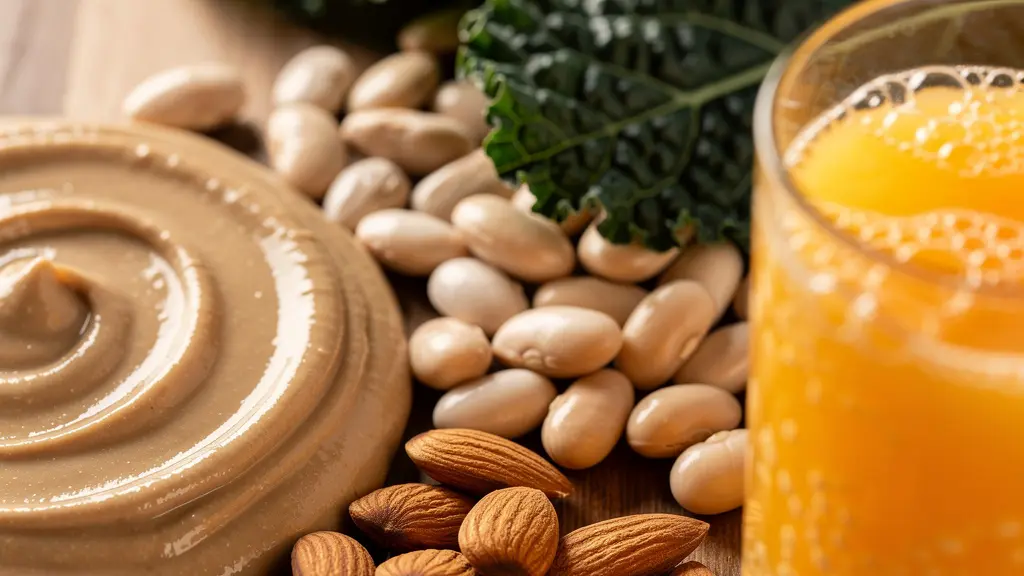
As you can see, the options are diverse and delicious. To maximize the benefit, it’s not just about what she eats, but how. Vitamin D is essential for calcium absorption, so pairing these foods with sources of Vitamin D (like fatty fish, fortified juices, or sunlight exposure) is a powerful strategy. Here are some effective ways to boost her calcium intake without milk:
- Incorporate white beans, tofu processed with calcium sulfate, and tahini into meals like hummus, stir-fries, and soups.
- Choose calcium-fortified orange juice, cereals, and plant-based milks (like almond or soy).
- Add dark leafy greens like kale, collard greens, and bok choy to smoothies, salads, or as a side dish.
- Remember that high salt intake can increase calcium loss through urine, so monitoring processed food consumption is also part of a good strategy.
Iron from Meat or Pills: What Does a Menstruating Tween Need?
With the onset of menarche (the first menstrual period), a new nutritional demand emerges: iron. Menstruation involves blood loss, and since iron is a core component of red blood cells, this monthly cycle can easily lead to depletion or even anemia if her diet doesn’t compensate. This can manifest as fatigue, poor concentration, and a general lack of energy that is often dismissed as “teen laziness.” For girls, especially those who are athletic or follow vegetarian or vegan diets, maintaining adequate iron levels is a significant challenge.
The body absorbs two types of iron differently: heme iron, found in animal products, and non-heme iron, found in plant-based foods. Heme iron is more readily absorbed by the body, but that doesn’t mean non-heme sources are ineffective. The key is strategy—pairing non-heme iron sources with Vitamin C can dramatically increase their absorption, sometimes by as much as 300%. For example, adding bell peppers or a squeeze of lemon juice to a spinach salad or bean chili makes the iron far more available to her body.
While an iron supplement might seem like an easy fix, it should only be used under a doctor’s guidance after a confirmed deficiency. For most girls, a food-first approach is the safest and most effective strategy. Understanding the different sources and how to enhance their absorption empowers you to build iron-rich meals that work for her lifestyle and preferences.
The following table breaks down the key differences between heme and non-heme iron, providing a clear guide for meal planning as outlined in a comparative analysis on puberty nutrition.
| Iron Type | Food Sources | Absorption Rate | Enhancement Strategy |
|---|---|---|---|
| Heme Iron | Chicken, beef, fish | 15-35% | Already well-absorbed |
| Non-Heme Iron | Legumes, leafy vegetables, whole grains | 2-20% | Add vitamin C sources (can increase by 300%) |
The “Puppy Fat” Comment Mistake That Triggers Eating Disorders
As her body begins to change, gaining weight and developing curves, the language used by family and peers can have a profound and lasting impact. It’s a biological necessity for girls to increase their body fat percentage to support menstruation and future reproductive health. However, society often sends a conflicting message that thinness is the ideal. Well-meaning but misguided comments about “puppy fat” or suggestions to “watch what she eats” can plant dangerous seeds of body dissatisfaction at a highly vulnerable time.
Parents comparing their children to a thin-ideal and then pushing their daughters to diet or restrict food at an early age can have major impact on how girls feel about their body before puberty even starts.
– Tripartite Influence Model researchers, Van den Berg et al. study on body image
The solution is to consciously shift the conversation from form to function. Instead of commenting on the size or shape of her body, focus on its amazing capabilities. Praise her strength, her endurance, and the energy she has for her favorite activities. This “Function over Form” communication principle helps her appreciate her body as an instrument for living life, not an object for aesthetic judgment. It builds resilience against negative societal pressures and fosters a healthy, respectful relationship with her changing body.
Here are some practical communication scripts to help you and other family members adopt this empowering approach:
- Instead of “Your thighs are getting bigger,” say “I saw how much power you had kicking the ball today!”
- Replace body size comments with strength observations: “Your legs are getting so strong!”
- When relatives comment on weight, gently redirect: “We’re focusing on her becoming strong and healthy, not on her size.”
- Praise abilities, not appearance: “You ran that whole mile without stopping—amazing endurance!”
- If you see her policing her food, re-center the conversation on fuel: “Your body needs that fuel for all the incredible growing it’s doing right now.”
How to Pair Foods to Stop the “Hangry” Hormonal Meltdowns?
The “hangry” teenager is a common trope, but the phenomenon has a real biological basis rooted in blood sugar instability. Fluctuating hormones during puberty can make girls more sensitive to swings in blood glucose levels. A snack high in simple carbohydrates (like candy or a sugary drink) causes a rapid spike in blood sugar, followed by a sharp crash. This crash triggers the release of stress hormones like cortisol and adrenaline, leading to irritability, moodiness, and intense cravings—the classic “hangry” meltdown.
The key to preventing this rollercoaster is nutrient timing and pairing. The goal is to create meals and snacks that provide a slow, steady release of energy. The most effective strategy for this is the “PFC” rule: combining a Protein, a healthy Fat, and a complex Carbohydrate at every meal and snack. This combination slows down digestion and the absorption of sugar into the bloodstream, promoting stable energy and mood. Research indicates that eating PFC-balanced meals every 3-4 hours can effectively stabilize blood sugar throughout the day.
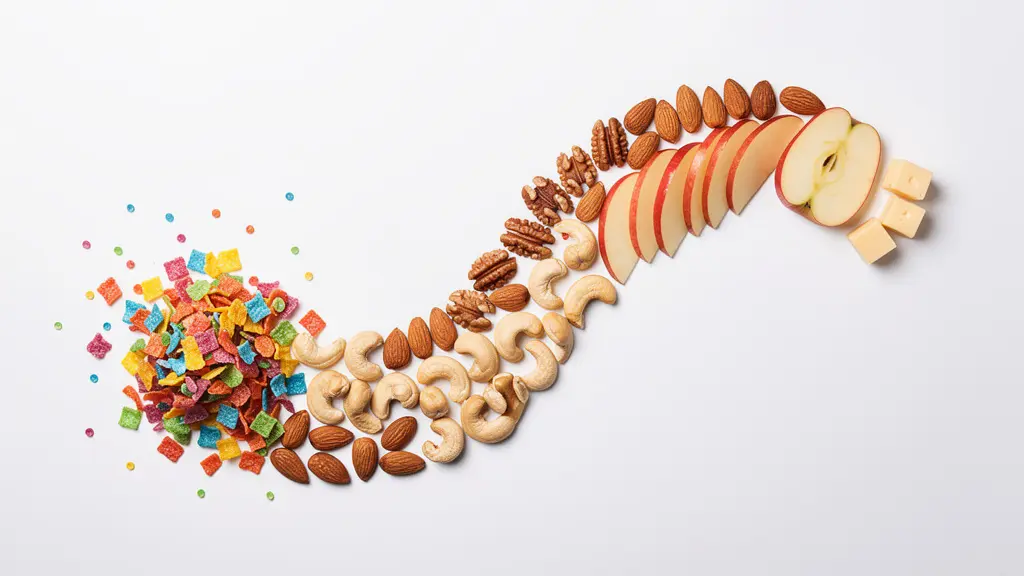
This visual represents the difference between a diet filled with sugar spikes and one balanced with the PFC principle. Instead of an apple alone (a carb), pair it with a handful of almonds (protein and fat). Instead of plain crackers (a carb), top them with cheese (protein and fat). This simple shift can make a dramatic difference in her emotional regulation and focus, giving her brain and body the consistent fuel they need to navigate the hormonal seas of puberty.
Why Feeding Him More Won’t Change His Genetic Height Potential?
While this article focuses on girls, a common parental concern across genders is height. It’s a myth that overfeeding a child can make them taller than their genetic blueprint dictates. Genetics are the primary determinant of final adult height. However, nutrition plays a crucial permissive role: it allows a child to reach their full genetic potential. Inadequate nutrition, on the other hand, can prevent them from getting there. This is particularly true during the growth plate window—the period in puberty when long bones are still growing.
Think of genetics as setting the maximum height on a measuring stick. Nutrition is the factor that determines if your child actually reaches that mark. Forcing extra calories beyond what’s needed for healthy growth won’t add inches; it will simply be stored as fat. The focus should be on nutrient density, not just calorie volume. Key nutrients like protein, zinc, vitamin D, and especially calcium are the building blocks for bone growth.
Failing to provide these blocks during the critical growth window can have permanent consequences. For instance, some studies have shown that boys with calcium intake below 327 mg/day may experience stunted growth, failing to reach their genetic potential. The goal is not to force-feed for height but to provide a consistent supply of high-quality materials so the body’s natural construction process isn’t stalled by a lack of supplies. Once the growth plates close in late adolescence, the window for influencing height is gone for good.
Why Missing the 8 PM Window Affects Physical Growth?
Growth doesn’t just happen at the dinner table; it happens in bed. The vast majority of physical growth is triggered by Human Growth Hormone (HGH), and the body releases its most significant pulse of HGH during the first cycle of deep, slow-wave sleep. For most children and pre-teens, this occurs roughly 60-90 minutes after falling asleep. If bedtime is too late, this critical hormonal surge can be disrupted or diminished. This is why a consistent, early bedtime is not just about being well-rested—it’s a non-negotiable component of physical development.
The timing around sleep is also crucial. A large meal or a sugary snack right before bed can cause a spike in insulin, a hormone that can suppress the HGH pulse. To optimize this natural growth process, the ideal scenario is to send a child to bed on a relatively empty stomach (at least 2-3 hours after the last meal) in a completely dark room, which supports melatonin production and signals the body it’s time for restorative sleep. This allows the HGH to be released without hormonal interference. This period is also when bone-building is in high gear, with research demonstrating peak calcium accretion rates of up to 284 mg/day for girls during puberty, much of which is facilitated overnight.
Here are actionable steps to optimize the sleep environment and timing for maximal HGH release:
- Aim for a consistent bedtime between 8 PM and 9 PM to align with the body’s natural circadian rhythms and capture the first deep sleep cycle.
- Avoid large meals or snacks, especially sugary ones, for 2-3 hours before bed to prevent insulin from interfering with HGH.
- Ensure the bedroom is completely dark and cool to support the production of melatonin, the sleep-signaling hormone.
- Establish a “digital sundown” by removing all screens at least 1 hour before bedtime, as the blue light can suppress melatonin.
- Maintain this sleep schedule consistently, even on weekends, to keep the body’s internal clock synchronized.
Key Takeaways
- The intense hunger of puberty is driven by a metabolic surge requiring a significant increase in nutrient-dense calories, not restriction.
- Stabilizing blood sugar through PFC (Protein, Fat, Carb) food pairings at regular intervals is the most effective strategy for managing hormonal mood swings.
- Your language matters profoundly: focus on your daughter’s strength and abilities (“Function over Form”) to build a positive body image and prevent long-term harm.
Tracking Physical Growth: When to Worry About Percentile Drops?
Growth charts can be a source of significant anxiety for parents. Seeing your child’s percentile line dip can be alarming, but not all drops are a cause for concern. It’s essential to understand the difference between normal patterns and red flags. During puberty, it’s common for a child to “find their channel”—a gradual drift up or down one percentile line as their growth settles into a pattern that reflects their unique genetic makeup, often moving toward the percentile of their parents. This is a slow process, occurring over 12 months or more.
A true red flag is a “nosedive”: a rapid drop across two or more major percentile lines (e.g., from the 75th to below the 25th) within a short period, typically 3-6 months. This pattern is not normal and warrants an immediate consultation with a pediatrician. It can indicate an underlying medical issue, a significant nutritional deficiency, or another problem that is impeding their growth potential. Your observations at home are a vital part of this picture, providing context that the chart alone cannot.
The following guide helps differentiate between normal growth patterns and those that require medical attention, giving you a clearer framework for when to monitor and when to act.
| Pattern Type | Description | Time Frame | Action Needed |
|---|---|---|---|
| Normal Channel Finding | Drift across 1 percentile line | Over 12+ months | Continue monitoring |
| Concerning Nosedive | Drop across 2+ major percentile lines | Within 3-6 months | Consult pediatrician immediately |
| Genetic Settling | Gradual movement toward parent’s percentiles | Throughout puberty | Expected pattern, no concern |
Your Proactive Health Monitoring Checklist: What to Observe at Home
- Energy Levels: Is the fatigue persistent and unusual, or is it typical teen tiredness after a busy day? Note any new inability to keep up with regular activities.
- Appetite & Digestion: Document any sudden, sustained loss of interest in favorite foods. Note new or persistent digestive issues like constipation, bloating, or stomach pain.
- Physical Changes: Look for objective signs like thinning hair, unusually dry skin, or brittle nails that break easily. These can be markers of nutritional deficiencies.
- Illness Frequency: Is she getting sick more often than usual? Track the number of colds or other infections per season, as this can reflect a stressed immune system.
- Mood Patterns: Observe for unusual irritability, anxiety, or sadness that goes beyond typical pre-teen moods and persists over time.
By approaching this stage with a blend of scientific understanding and emotional support, you can confidently guide your daughter through this transformative period, ensuring she has the biological and emotional foundation she needs to thrive for years to come.